
• Skip to primary navigation
  • Skip to main content
  • Skip to primary sidebar
Cast Iron Keto
  • Home
  • Work With Us
  • Contact
  • Web Stories
menu icon
go to homepage
  • All Recipes
  • Is It Keto
  • About us
    • Facebook
    • Instagram
    • Pinterest
    • YouTube
  • subscribe
    search icon
    Homepage link
    • All Recipes
    • Is It Keto
    • About us
    • Facebook
    • Instagram
    • Pinterest
    • YouTube
  • ×
    Home / How to Start a Keto Diet: Keto Diet Plan and Best Keto Foods for Beginners

    How to Start a Keto Diet: Keto Diet Plan and Best Keto Foods for Beginners

    Cast Iron Keto
    by Cast Iron Keto
    Updated: Nov 7,2024
    Leave a Comment

    If you've made the decision to start a keto diet, that's fantastic! We're here to support you on this exciting journey. Starting a keto diet can seem a bit overwhelming at first, but fear not, my friend. We've got your back. Let's dive into the keto world together, step by step. Welcome to the keto lifestyle!
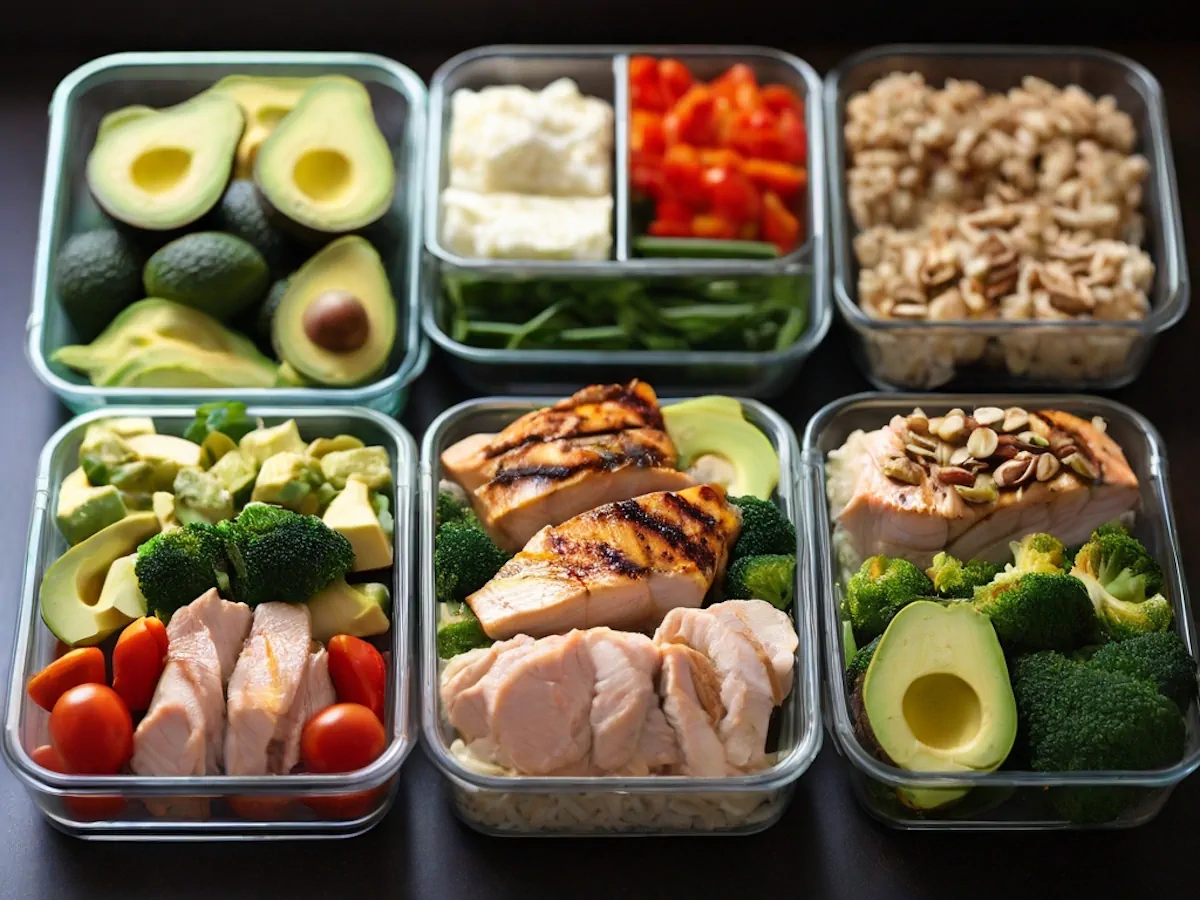
    Six rectangular containers holding keto-friendly food, including avocado and broccoli.
    Jump to:
    • What are the basic rules for keto?
    • What is ketosis?
    • What are the types of keto diet?
    • Avoid These Common Keto Mistakes
    • Tips for a Smooth Transition to Keto
    • What foods can I eat on the keto diet?
    • What foods do I avoid on a keto diet?
    • Keto diet for beginners
    • What is keto flu?
    • How to avoid keto flu?
    • Learn how to cook on the keto diet
    • Learn how to use keto sweeteners
    • Frequently asked questions

    What are the basic rules for keto?

    The fundamental rule of the keto diet is to shift your body's primary fuel source from carbs to fats. It revolves around carefully balancing your intake of macronutrients—those are fats, proteins, and carbohydrates.

    Here's a breakdown to guide you through the basics:

    • Macronutrient ratios: Aim to get about 70-75% of your daily calories from fats, 20-25% from protein, and keep your carbohydrate intake between 5-10%. This is a key principle to trigger and maintain ketosis, the state where your body switches from burning carbs to burning fats for energy.
    • Tracking is crucial: To ensure you're hitting these macronutrient percentages, it's crucial to track what you eat. There are various apps and tools available to help you monitor your daily food intake and calculate your macronutrient ratios.
    • Net carbs matter: Keep an eye on net carbs, the total carbs minus the fiber and sugar alcohols. Net carbs have a minimal impact on blood sugar levels. For keto, it's common to keep net carbs under a certain threshold, typically between 20-50 grams per day.
    • Strict keto adherence: If you aim for strict keto adherence, stick closely to these macronutrient percentages and keep your net carbs within a specified range. This approach often involves focusing on whole, nutrient-dense foods and steering clear of processed items—a style commonly referred to as "clean" keto.
    • Whole foods emphasis: Whether following a strict keto or opting for a cleaner approach, prioritize whole, nutrient-dense foods. Think of lean meats, fish, eggs, dairy, nuts, seeds, and low-carb vegetables. Minimize your intake of processed foods, sugars, and grains.
    • The importance of tracking: Tracking your macronutrients is not just about hitting specific numbers; it's a strategy to ensure your body enters and stays in ketosis. In this metabolic state, your body becomes a fat-burning machine. Whether you opt for strict keto or a cleaner approach, the key is understanding and tracking what goes into your body to achieve the desired results. 

    What is ketosis?

    Ketosis is the metabolic state where your body efficiently burns fat for fuel instead of glucose. This process occurs when carb intake significantly reduces, prompting the liver to increase ketone production. These ketones become the primary energy source for your body and brain.

    What are the types of keto diet?

    Choosing the right type of keto diet depends on individual preferences, health goals, and lifestyle. It's crucial to find an approach that aligns with your needs and is sustainable for long-term success. As always, consult with healthcare professionals or nutritionists for personalized guidance.

    Indeed, the ketogenic diet encompasses various approaches tailored to individual preferences and needs. Here are some common types:

    Strict ketogenic diet (less than 20g carbs per day) 

    This classic ketogenic approach aims for a drastic reduction in carb intake, typically below 20 grams per day. The primary focus is on high-fat foods, moderate protein, and minimal carbs to induce and maintain a state of ketosis, where the body primarily burns fat for energy.

    Pros:

    • Rapid Ketosis: This approach typically achieves and maintains ketosis quickly due to the very low carb intake.
    • Effective Weight Loss: Many find significant weight loss success with this method due to strict carb restriction.
    • Stabilized Blood Sugar Levels: This diet can help stabilize blood sugar levels, which may benefit those with insulin resistance or diabetes.
    • Mental Clarity: Some individuals report improved focus and mental clarity as their brain adapts to using ketones for fuel.

    Cons:

    • Difficult to Maintain: The drastic reduction in carbs can be challenging for many people to sustain long-term.
    • Limited Food Choices: The strict carb limit can lead to a monotonous diet, making meal planning more challenging.
    • Potential for Nutrient Deficiencies: Due to the restrictive nature, there might be a risk of missing out on essential vitamins and minerals.
    • Keto Flu: There is a higher likelihood of experiencing "keto flu" symptoms during the initial transition phase.

    Low-carbohydrate ketogenic diet (20-50g carbs per day)

    Offering more flexibility, this variation allows for 20 to 50 grams of carbs daily. It accommodates a broader range of food choices while emphasizing high-fat and moderate protein intake to sustain ketosis.

    Pros:

    • Flexibility: Allows for a wider range of food choices compared to the strict keto diet, making it more adaptable.
    • Sustainability: Easier to follow long-term due to the less restrictive carb limit.
    • Steady Ketosis: Can still promote ketosis while offering more dietary flexibility.
    • Balanced Nutrition: Easier to incorporate a variety of vegetables and other nutrient-rich foods.

    Cons:

    • Slower Ketosis Onset: It may take longer to enter ketosis compared to the strict keto diet.
    • Risk of Carb Creep: Easier to accidentally consume more carbs, which can disrupt ketosis.
    • Less Dramatic Weight Loss: Weight loss might be slower compared to the strict keto diet.

    Dirty keto

    While effective for weight loss, dirty keto may involve consuming processed and artificial foods, as long as they fit within the prescribed macronutrient ratios. This approach doesn't prioritize food quality but focuses on hitting specific nutritional targets.

    Pros:

    • Convenience: Allows for processed and fast foods, making it easier to adhere to the diet with a busy schedule.
    • Reduced Meal Prep: Less time needed for cooking and meal preparation.
    • Weight Loss: Can still be effective for weight loss if macronutrient ratios are maintained.

    Cons:

    • Nutrient Poor: Focuses less on nutrient density and more on hitting macro targets, potentially leading to nutrient deficiencies.
    • Health Risks: Increased consumption of processed foods can lead to health issues such as inflammation and poor gut health.
    • Lower Food Quality: Does not prioritize the quality of food, which may impact overall well-being.

    Clean keto

    Emphasizing the quality of food, clean keto revolves around nutrient-dense, whole foods. This approach encourages wholesome choices, including fresh vegetables, lean meats, and healthy fats, while avoiding processed foods, artificial additives, and refined oils.

    Pros:

    • Nutrient-Dense: Emphasizes whole, unprocessed foods, ensuring a diet rich in vitamins and minerals.
    • Health Improvement: Focuses on high-quality foods that promote overall health.
    • Sustained Energy: Whole foods can provide more sustained energy levels and better satiety.
    • Gut Health: Supports better digestion and gut health due to the inclusion of fiber-rich vegetables and healthy fats.

    Cons:

    • Time-Consuming: Requires more time for meal planning, shopping, and preparation.
    • Potentially Expensive: Can be more costly due to the focus on high-quality, often organic, foods.
    • Challenging to Follow: May be harder to stick to when dining out or in social situations due to the emphasis on clean, unprocessed foods.

    Avoid These Common Keto Mistakes

    Here are some common mistakes beginners make and how to avoid them.

    1. Not Tracking Macros:

    • Mistake: Failing to accurately track macronutrient intake can lead to consuming too many carbs, preventing ketosis.
    • Avoidance: Use apps or journals to log daily food intake, ensuring you're within the appropriate carb, protein, and fat limits.

    2. Overeating Protein:

    • Mistake: Consuming too much protein can lead to gluconeogenesis, where protein is converted into glucose, potentially disrupting ketosis.
    • Avoidance: Stick to moderate protein intake; focus on healthy fats as the primary energy source.

    3. Ignoring Hidden Carbs:

    • Mistake: Overlooking hidden carbs in sauces, dressings, and processed foods can add up and exceed your daily limit.
    • Avoidance: Read labels carefully and opt for whole, unprocessed foods whenever possible.

    4. Not Drinking Enough Water:

    • Mistake: Dehydration is common, especially in the early stages of keto, as the body sheds excess water weight.
    • Avoidance: Drink plenty of water throughout the day and consider electrolyte supplements to maintain balance.

    5. Lack of Meal Planning:

    • Mistake: Without proper planning, it's easy to resort to non-keto-friendly options.
    • Avoidance: Prepare meal plans and batch cook to ensure you have keto-friendly meals and snacks readily available.

    6. Giving Up Too Soon:

    • Mistake: Many beginners quit within the first few weeks due to initial challenges and side effects.
    • Avoidance: Be patient and allow your body time to adapt to the new dietary regime.

    Tips for a Smooth Transition to Keto

    Here are some tips for transitioning into a keto diet smoothly.

    1. Gradual Carb Reduction


    Tip: Instead of cutting carbs drastically overnight, reduce your carb intake gradually over a week or two to ease the transition.
    Benefit: This approach can help minimize initial side effects and make the transition smoother.

    2. Educate Yourself


    Tip: Learn about keto-friendly foods, proper macronutrient ratios, and the science behind ketosis.
    Benefit: Being informed will help you make better food choices and understand the changes happening in your body.

    3. Meal Planning


    Tip: Plan your meals and snacks for the week, focusing on high-fat, moderate-protein, and low-carb options.
    Benefit: This reduces the temptation to eat non-keto foods and ensures you stay within your macro limits.

    4. Stock Your Kitchen


    Tip: Clear out high-carb foods and stock up on keto essentials like avocados, nuts, seeds, and low-carb vegetables.
    Benefit: Having the right ingredients on hand makes it easier to stick to your diet.

    5. Find Keto Alternatives


    Tip: Look for low-carb substitutes for your favorite high-carb foods, such as cauliflower rice or zucchini noodles.
    Benefit: This helps satisfy cravings and keeps your meals enjoyable.

    6. Join a Support Group


    Tip: Connect with others on the keto journey through online forums, social media groups, or local meetups.
    Benefit: Sharing experiences and tips can provide motivation and make the transition less daunting.

    7. Track your Ketones

    Tip: Track your ketones regularly with a reliable device like Keto Mojo’s budget-friendly ketone tracking kit.

    Benefit: Tracking your ketones helps you understand if you're in ketosis, so you can adjust your diet as needed for the best results.

    What foods can I eat on the keto diet?

    If you are not sure what to include in your keto diet? Here's a list of keto-friendly foods you can eat on keto:

    • Healthy fats: Avocado oil, olive oil, butter, and coconut oil – use them freely in your kitchen.
    • Leafy greens: Load up on lettuce, spinach, kale, zucchini, and cauliflower for a veggie boost.
    • Proteins: Beef, pork, lamb, poultry (chicken, turkey, duck), and seafood (salmon, fish, shrimp, crab, lobster) are your go-to protein sources.
    • Fruits: Choose low-sugar options like berries (strawberries, blueberries, raspberries), avocados, and tomatoes for a keto-friendly sweet fix.
    • Dairy choices: Cheese, cream cheese, and heavy cream are all good to go.
    • Eggs: Eggs are your versatile buddies in the keto kitchen – crack them open and get creative.
    • Sugar-free beverages: Stick to water, coffee, and tea, keeping them sugar-free for the keto win.
    • Spices: Basil, dill, cinnamon – sprinkle these for flavor without the carb overload.
    • Condiments: Mayonnaise, hot sauce, mustard – use them for taste, but check labels for hidden sugars.

    Take the guesswork out of your meals and make informed choices. Check our database to know if your food is keto-friendly or not. 
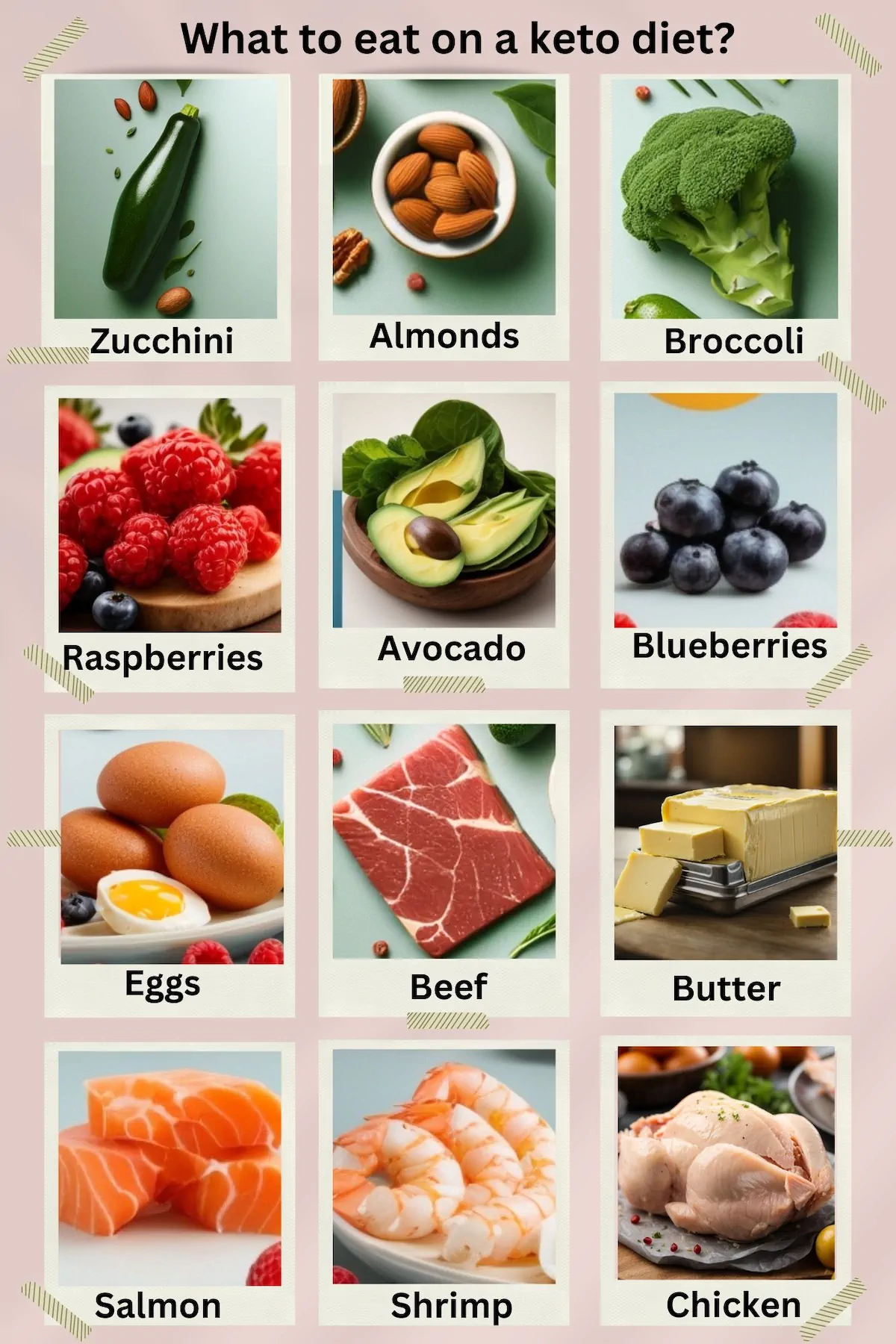
    A photo collage of foods that you can eat on a keto diet.

    What foods do I avoid on a keto diet?

    It's wise to steer clear of these foods:
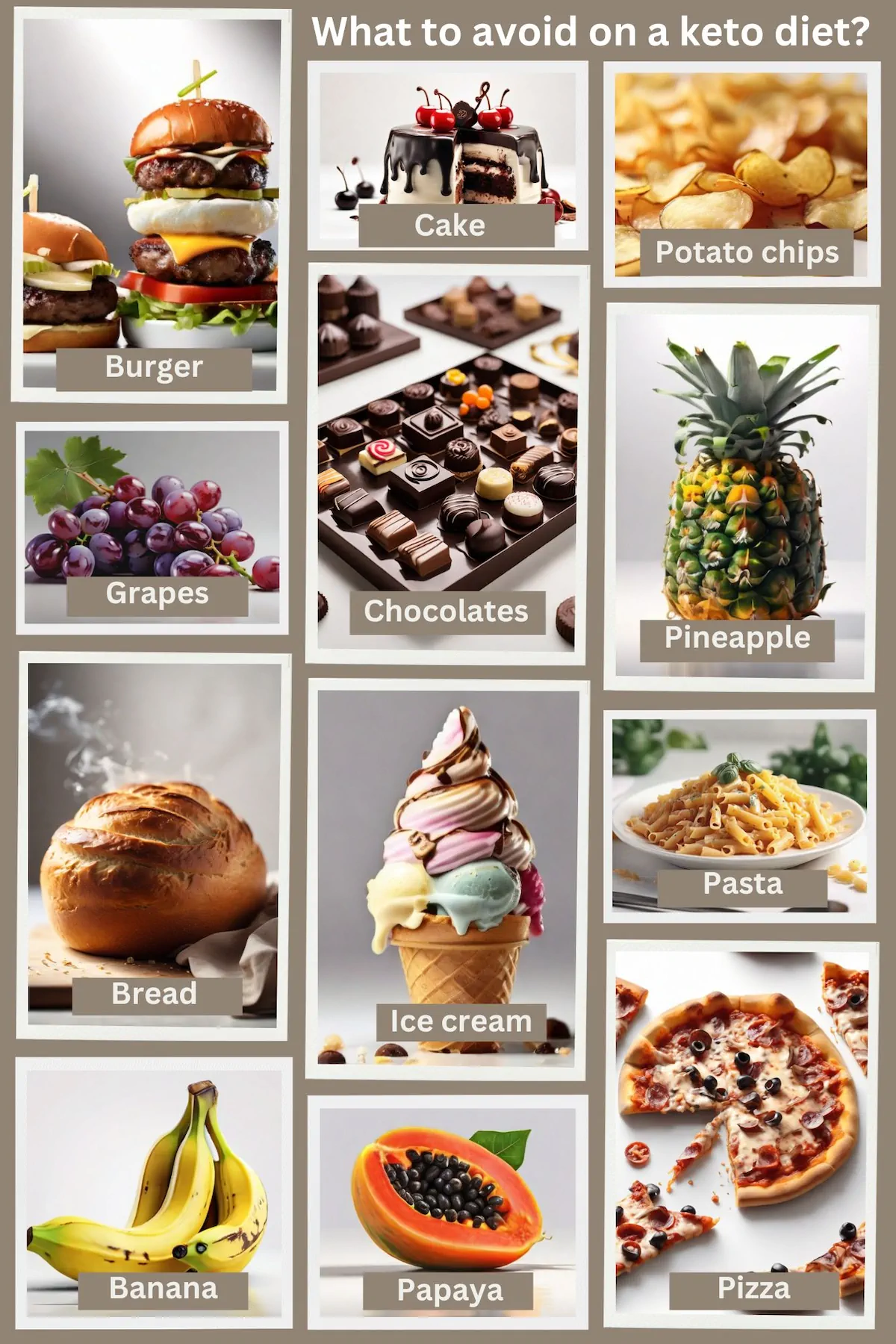
    • Carb-packed food: Breads, pasta, and rice – keep them at bay.
    • Sweet treats: Candies, pastries, cakes – these are a no-go on keto.
    • Starchy foods: Skip vegetables like potatoes, sweet potatoes, and parsnips – they're high in carbs. 
    • Legumes: Avoid high-carb legumes such as beans and lentils, but you can enjoy peanuts in moderation. 
    • Fruit: Limit or avoid high-sugar fruits like bananas, grapes, mangoes, cherries, apples, oranges, pineapples, papaya, and watermelon.
    • Oil overhaul: Avoid margarine, canola oil, corn oil, grapeseed oil, soybean oil, and sunflower oil.
    A photo collage of foods that you need to avoid on a keto diet.

    Keto diet for beginners

    Starting your keto diet may be overwhelming, especially if you're new. No worries! Let's guide you with strategic shopping, smart carb choices, and a balanced approach to macronutrients. Avoid high-carb foods, watch for hidden carbs, and include fiber-rich foods in your meals to balance the impact of carbohydrates on your ketosis.

    How to start a keto diet?

    When it comes to transitioning into the keto lifestyle, preparation is key. Begin by stocking your kitchen with essential ingredients:

    • Pantry staples: Stock up on keto-friendly baking essentials like almond flour and coconut flour. Opt for cooking fats like olive oil and ghee for a healthier alternative.
    • Veggies: Load your cart with an array of low-carb vegetables such as leafy greens, cruciferous veggies, and those rich in fiber. These will form the foundation of your keto meals.
    • Protein: Prioritize high-quality protein sources like lean meats, poultry, fish, and eggs. These will help you meet your protein needs and keep you feeling satisfied.
    • Healthy cooking oils: Swap out vegetable oils for healthier options like avocado oil and coconut oil. These provide the necessary healthy fats crucial for a successful ketogenic diet.
    • Sweeteners: Consider natural sweeteners like stevia or erythritol as alternatives to sugar. They'll satiate your sweet tooth without derailing your progress.

    Shopping list with all essentials

    Here's a detailed shopping list for someone about to start a keto diet:

    Pantry staples

    • Almond flour
    • Coconut flour
    • Olive oil
    • Coconut oil
    • Avocado oil
    • Ghee
    • Unsweetened almond butter
    • Sugar-free nut butter
    • Canned coconut milk (unsweetened)
    • Sugar-free tomato sauce

    Vegetables

    • Leafy greens (spinach, kale, lettuce)
    • Cruciferous vegetables (broccoli, cauliflower, Brussels sprouts)
    • Avocado
    • Zucchini
    • Bell peppers
    • Cabbage

    Protein

    • Lean meats (chicken breast, turkey, lean cuts of beef or pork)
    • Poultry (chicken, turkey)
    • Fatty fish (salmon, tuna, mackerel)
    • Eggs
    • Bacon (check for no added sugar)
    • Grass-fed beef

    Dairy

    • Cheese (cheddar, mozzarella, cream cheese)
    • Heavy cream
    • Butter (grass-fed, if available)

    Nuts and seeds

    • Almonds
    • Walnuts
    • Chia seeds
    • Flaxseeds

    Low-Carb snacks

    • Pork rinds
    • Beef jerky (watch for added sugars)
    • Cheese crisps

    Sweeteners

    • Stevia
    • Erythritol

    Herbs and spices

    • Garlic powder
    • Basil
    • Thyme
    • Rosemary
    • Cumin
    • Paprika

    Beverages

    • Water
    • Sparkling water
    • Unsweetened almond milk

    Condiments

    • Mustard
    • Mayonnaise (sugar-free)
    • Hot sauce
    • Soy sauce or tamari (low-sodium)

    Low-carb sauces

    • Sugar-free barbecue sauce
    • Sugar-free ketchup

    Here is a printable list of keto foods you can display on your kitchen!
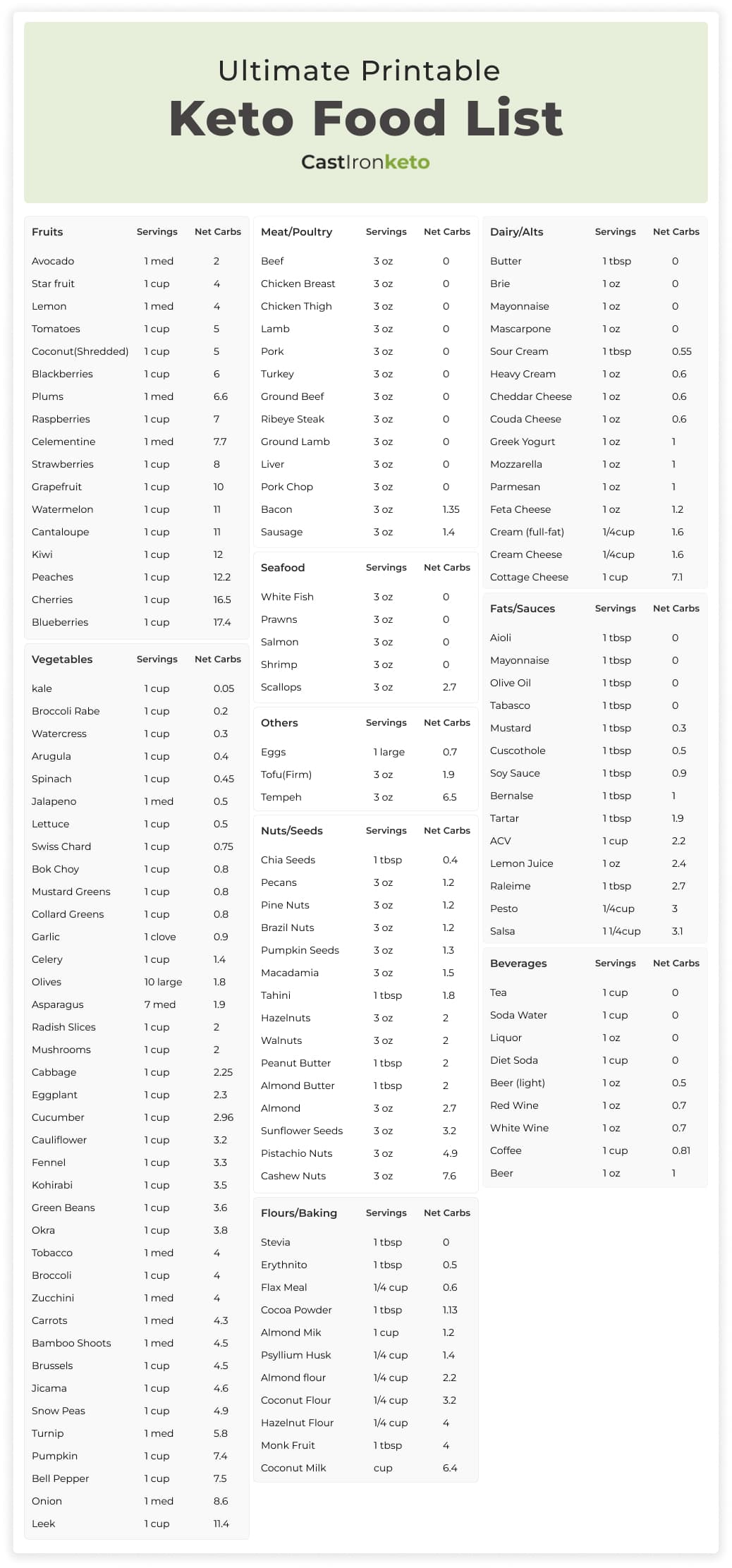
    printable list of keto food with net carbs

    What is keto flu?

    Keto flu refers to a cluster of symptoms that often arise within the first few days or weeks of starting a ketogenic diet. A person may have fatigue, headache, nausea, dizziness, mental fogginess, lightheadedness, and irritability. These symptoms vary from person to person, and not everyone transitioning to keto will experience them. However, for those who do, understanding and effectively managing keto flu can significantly improve the overall experience of adapting to a ketogenic lifestyle.

    How to avoid keto flu?

    Transitioning into ketosis may come with a few bumps. Here's how to avoid the notorious keto flu:

    Limit your carbs on keto

    Managing carbs on the keto diet boils down to learning, staying attentive, and planning your meals mindfully. Adopting these approaches helps you stick to your carb limit and enjoy a varied and satisfying range of foods during your keto experience.

    • How to limit carbs: Stick to the good stuff—whole, nutrient-packed options. Skip the processed items for leafy greens, veggies, and clever alternatives like cauliflower rice. These choices make for satisfying meals without pushing your carb limit too far.
    • Avoiding hidden carbs: Beware of hidden carbs and check those nutrition labels. Watch out for sauces, condiments, and those innocent-looking snacks that might be carb-loaded. Keep it real with natural, unprocessed foods to keep those sneaky carbs at bay.
    • Crafting fiber-rich meals: Fiber is your keto sidekick. Load up on veggies, nuts, and seeds to keep things moving smoothly and take the edge off carbs' impact on your ketosis. Get creative in the kitchen—make it tasty and nutritious.
    • Strategic meal plan: Here's where the real magic happens. Plan your meals like a boss. Having keto-friendly snacks on standby is your secret weapon against those random carb cravings. Think batch-cooking and having a stash of low-carb goodies for those hectic days.

    Eat enough protein

    Protein is your companion on the keto journey. Ensure you incorporate an adequate amount of protein into your meals to support muscle health and overall well-being. Getting enough protein in your meals not only helps with muscle strength and repair but also keeps you feeling satisfied. It's like the fuel your body needs to rock the keto lifestyle and stay in top form.

    Don't be afraid to eat enough fat

    Embrace healthy fats as a primary energy source. Avocado, nuts, and olive oil aren't just delicious; they're the fuel that keeps your keto engine running smoothly. So, embrace the goodness of fats – they're not just tasty but your ticket to a well-balanced and happy keto life.

    Make sure to consume enough fiber on keto

    Maintaining an adequate fiber intake is key to a well-rounded keto diet. Incorporate fiber-rich foods like chia seeds, flaxseeds, and low-carb vegetables to support digestion and overall gut health. Adding enough fiber to your keto mix is an easy way to boost your overall well-being.

    Hydration

    Make sure to drink plenty of water, especially when you're just starting keto. Your body loses some extra water when you cut down on carbs, so it's important to drink more. Drinking enough water helps you feel good and can make those not-so-great feelings from keto flu go away.

    Calorie counting and portion control on keto

    In the world of keto, where the focus is often on macros, don't underestimate the importance of calorie counting and portion control. While enjoying the richness of high-fat foods, keeping an eye on overall calorie intake ensures you strike a balance that aligns with your health goals. It's not about restriction but about finding that sweet spot where your body thrives, making keto a sustainable and health-boosting lifestyle choice.

    • Use apps: To start, leverage user-friendly apps to track your daily calories. Begin by calculating your daily caloric needs based on age, body weight, activity level, and health objectives. Familiarize yourself with the caloric content of commonly consumed foods, especially those central to your keto diet. 
    • Precision for portion control: Precision in portion control matters. Invest in kitchen scales or use visual cues to estimate serving sizes. This not only helps manage calorie intake but also promotes a mindful eating approach.
    • Nutrient-dense choices: Prioritize nutrient-dense choices while counting calories on keto, ensuring your dietary needs are met within your caloric limits. Periodically reassess and adjust based on your evolving goals and responses to the ketogenic lifestyle.

    Remember, it's not about restriction but finding the optimal zone where your body thrives. By integrating these practical approaches to calorie counting and portion control, you turn keto into a sustainable and health-boosting lifestyle, fostering vitality and overall well-being.

    Learn how to cook on the keto diet

    Mastering the art of meal planning and cooking is a game-changer. Homemade meals not only allow you to tailor your dishes to keto perfection but also ensure you have full control over the ingredients. It's a creative and empowering process that goes hand-in-hand with the principles of the keto lifestyle. Ready to elevate your culinary skills? Explore our curated recipes across various categories, from hearty breakfasts to savory dinners and delightful snacks. 

    Start with easy keto recipes for beginners

    If you're just dipping your toes into the keto cooking waters, we've got your back with some super easy recipes. Think 30-minute wonders and simple dishes with just a handful of ingredients. Ready to dive in? Let's make your meal planning and cooking a breeze with our keto-friendly recipes!

    Keto breakfast recipes

    Make your mornings a breeze with simple and quick keto breakfasts that add a touch of excitement. From easy savory choices to delightful sweet options, these recipes show that a keto diet can be both easy and enjoyable, providing a tasty start to your day without the fuss.
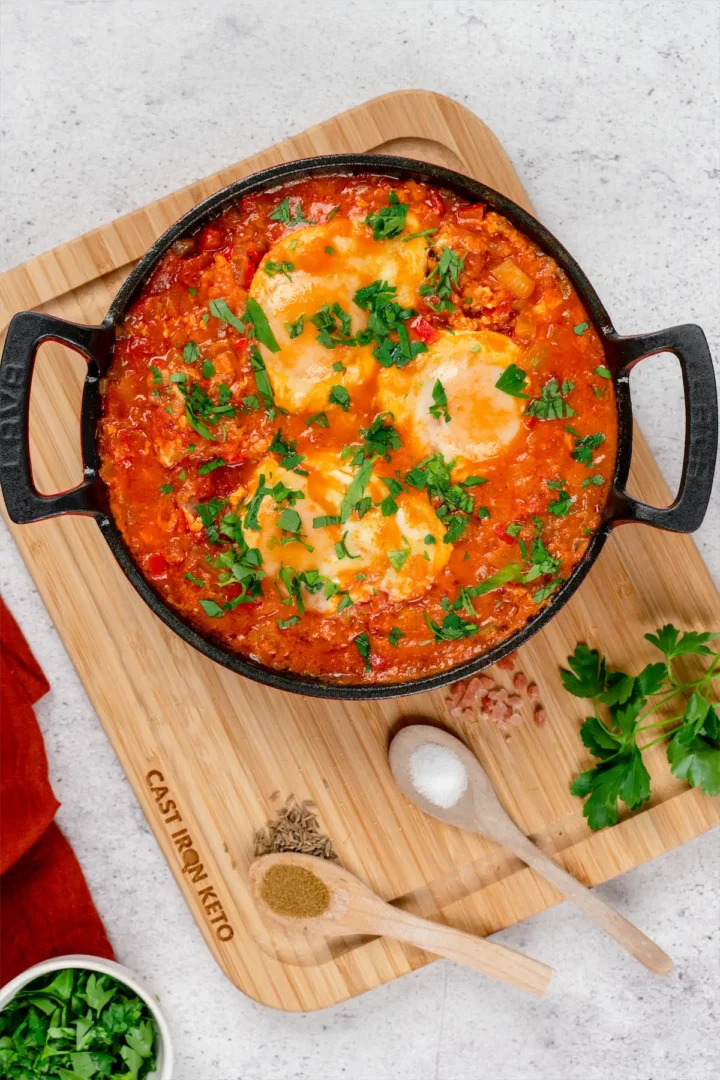
    Egg-based middle eastern keto breakfast.

    Keto Shakshuka

    Imagine waking up to the aroma of sizzling tomatoes, bell peppers, and perfectly poached eggs – that's Keto Shakshuka! It's the easiest breakfast ever, ready in just 30 minutes. Trust me, your taste buds will do a happy dance! Give it a shot!

    View full recipe

    • Prep Time: 10 minutes
    • Cooking Time: 20 minutes
    • Total Time: 30 Minutes
    • Difficulty Level: Easy
    • Recipe Makes 3 Servings

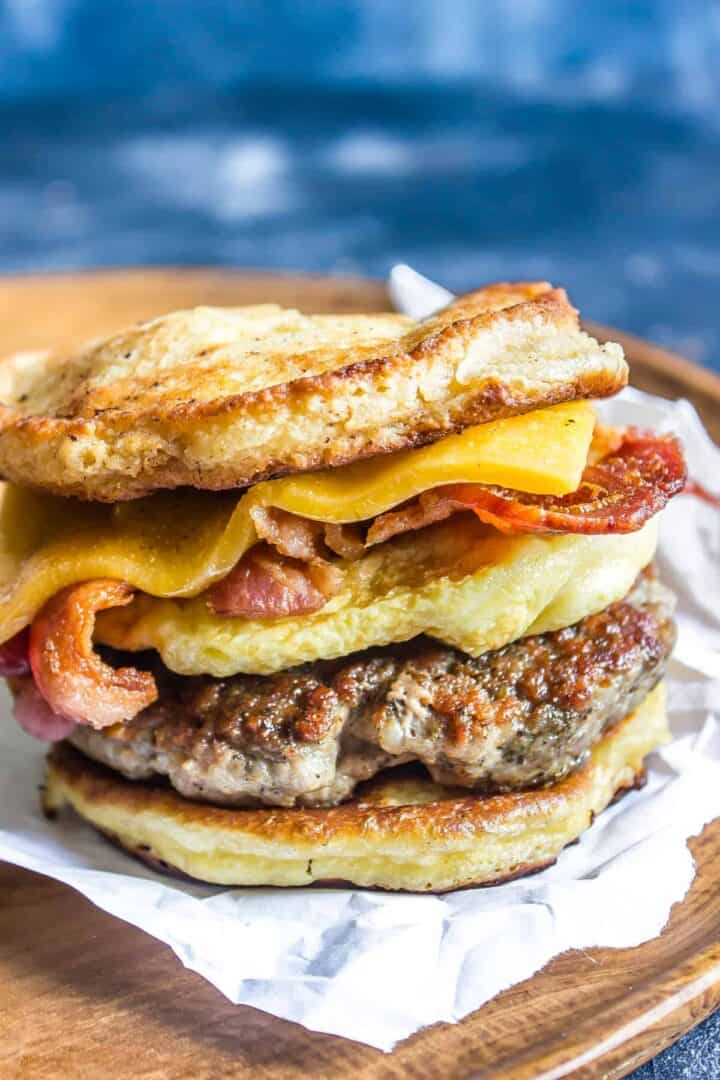
    Keto Breakfast Sandwich

    Guess what? We've got your favorite McGriddle but in a keto version! It's like a healthier version of the McDonald's classic. It's super easy to whip up in just 25 minutes. Picture fluffy pancakes, savory sausage, crispy bacon, and melted cheese. Give it a go and see for yourself—it's keto magic on a plate!
    View full recipe

    • Prep Time: 10 minutes
    • Cooking Time: 15 minutes
    • Total Time: 25 Minutes
    • Difficulty Level: Easy
    • Recipe Makes 2 Servings
    Keto Breakfast Sandwich (AKA Copycat Keto McGriddle) close up
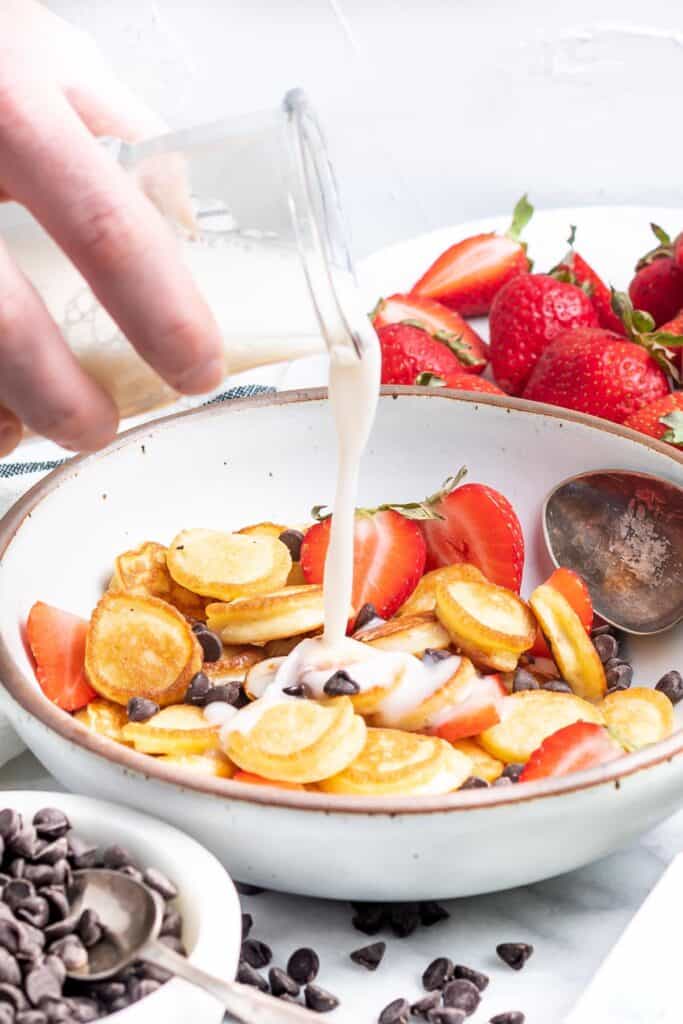
    Keto Pancake Cereal in a bowl topped with chocolate chips and strawberries

    Keto Pancake Cereal

    Have you ever wondered if you can eat pancakes while on keto? Well, these little pancakes are not only great for your low-carb diet, but they also look and taste awesome! The perfect blend of tempting aesthetics and scrumptious flavor awaits – make these and enjoy a guilt-free pancake experience!

    View full recipe

    • Prep Time: 10 minutes
    • Cooking Time: 20 minutes
    • Total Time: 30 Minutes
    • Difficulty Level: Easy
    • Recipe Makes 4 Servings

    Keto lunch recipes

    Get ready for a keto lunch that's both delicious and quick. Whether you're in the mood for a satisfying low-carb dish or a light and tasty alternative, these recipes make lunchtime a breeze.

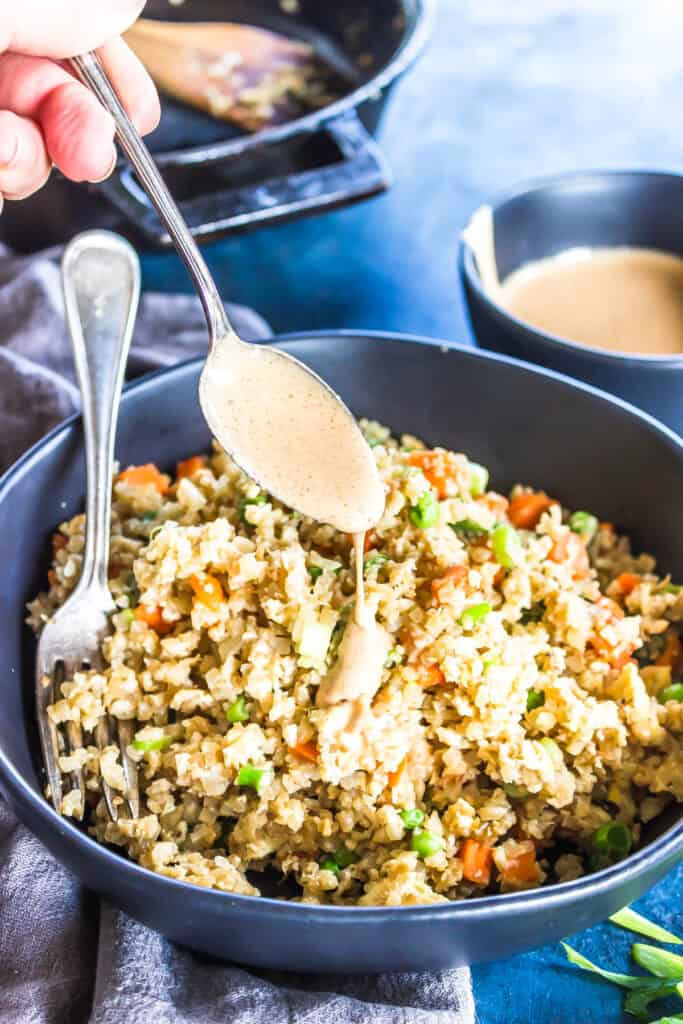
    Keto Fried Rice With Japanese Shrimp Sauce

    This quick and easy recipe brings the authentic flavors of Japanese cuisine in just 20 minutes. Sauté cauliflower rice with peas, carrots, and eggs, and whip up the delectable shrimp sauce to elevate your culinary experience. Put on your apron and make this dish which will soon become your new favorite!
    View full recipe

    • Prep Time: 10 minutes
    • Cooking Time: 10 minutes
    • Total Time: 20 Minutes
    • Difficulty Level: Easy
    • Recipe Makes 2 Servings
    Keto Fried Rice in bowl with shrimp sauce being drizzled over the top
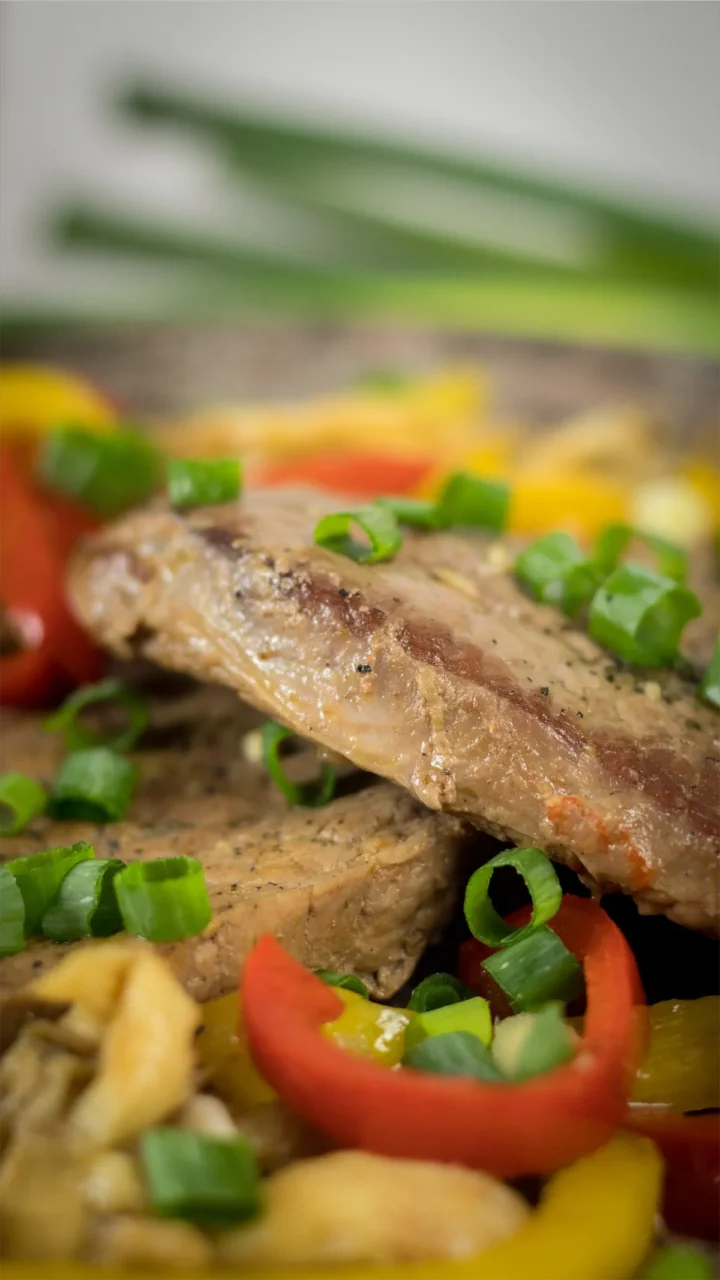
    Keto pork steak with bell peppers and oyster mushrooms, served on a plate and garnished with fresh herbs.

    Keto Pork Steak

    If you're looking for a straightforward keto meal, give this easy pork steak a shot. It's got flavorful pork slices, mushrooms, and peppers – a quick and satisfying low-carb option. Perfect, whether you're just starting with keto or have been at it for a while.

    View full recipe

    • Prep Time: 8 minutes
    • Cooking Time: 20 minutes
    • Total Time: 28 Minutes
    • Difficulty Level: Easy
    • Recipe Makes 4 Servings

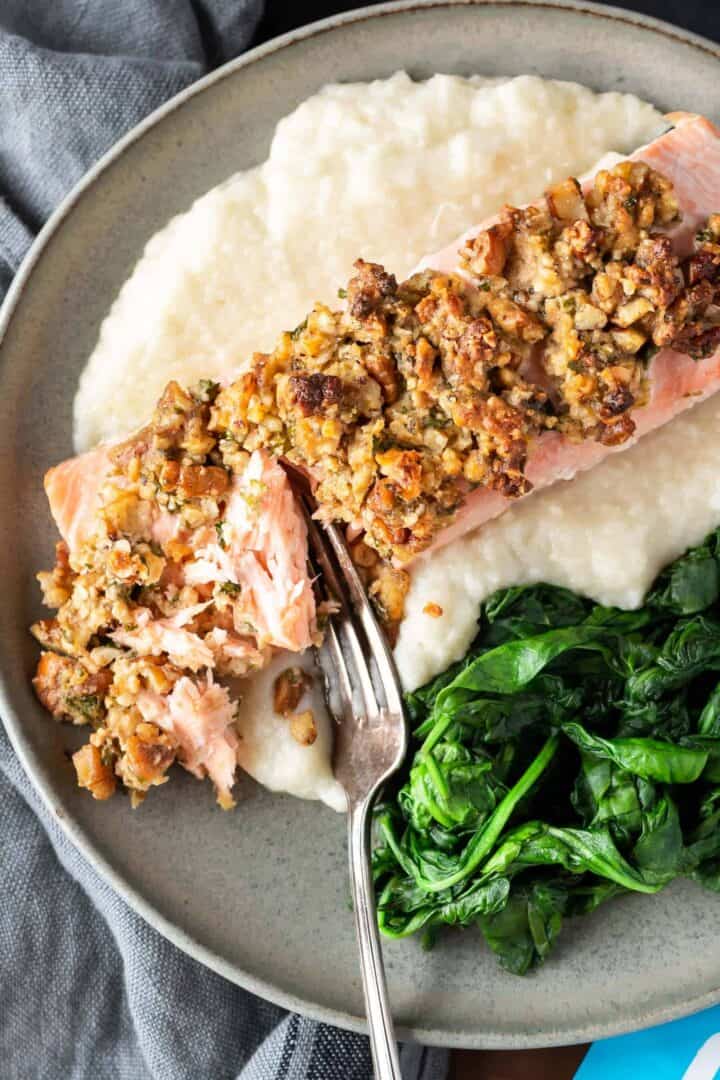
    Keto Pecan and Gouda Crusted Salmon

    You've got to try this amazing salmon recipe. It's like bringing the fancy restaurant experience right to your dinner table. Picture this – succulent salmon, a delightful mix of Dijon mustard, melted butter, cheese, and crunchy pecans. Ready to elevate your dinner game?
    View full recipe

    • Prep Time: 10 minutes
    • Cooking Time: 20 minutes
    • Total Time: 30 Minutes
    • Difficulty Level: Easy
    • Recipe Makes 2 Servings
    Pecan and Gouda Crusted Salmon on plate with spinach and cauli mash

    Keto dinner recipes

    Find a mix of delicious keto dinner options, from chicken and steak to tuna, that'll elevate your dining experience without breaking your low-carb commitment. These recipes are worth checking out for a delightful keto dinner.

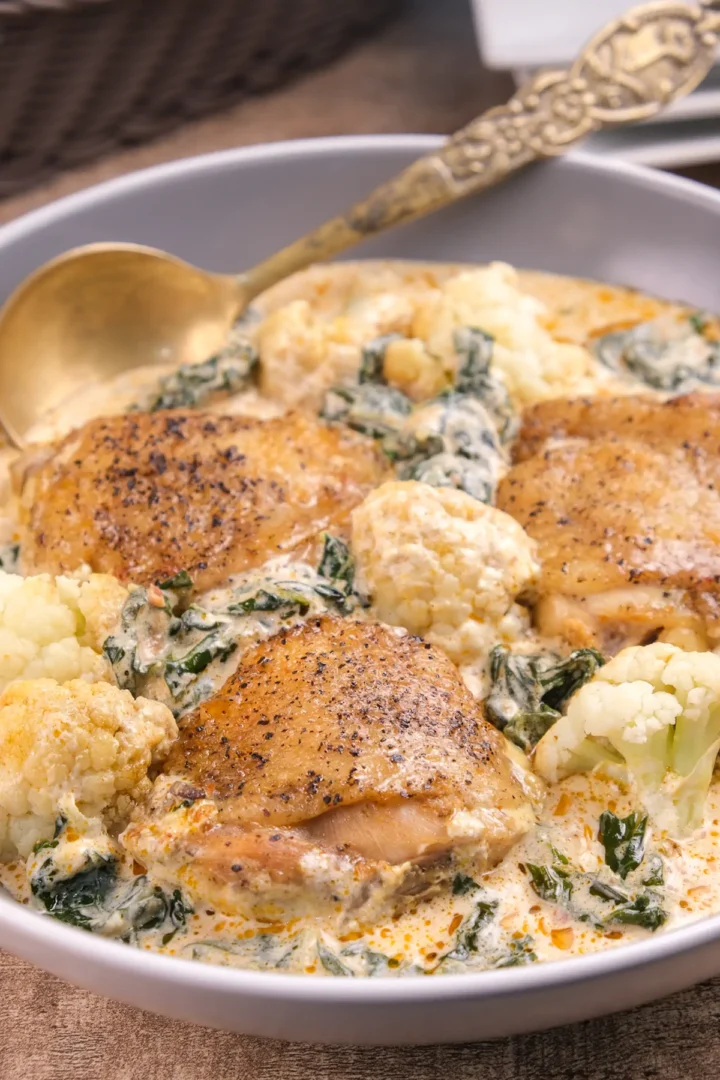
    Keto Pesto Chicken

    Try our simple pesto chicken recipe. With juicy chicken thighs, rich pesto, and veggies all cooked in one pan, it's a flavorful low-carb option. In just 25 minutes, you'll have a delightful dish that's both simple and tasty – perfect for a quick and satisfying keto dinner!
    View full recipe

    • Prep Time: 5 minutes
    • Cooking Time: 20 minutes
    • Total Time: 25 Minutes
    • Difficulty Level: Easy
    • Recipe Makes 4 Servings
    Homemade keto pesto chicken with veggies served in a bowl with a spoon.
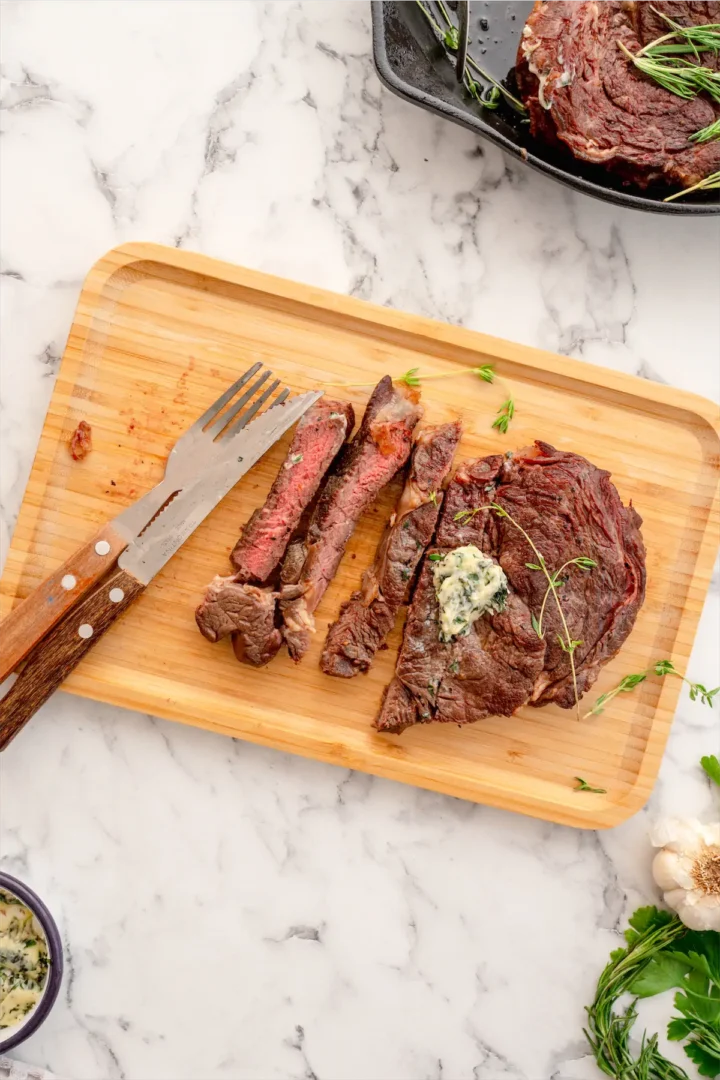
    Steak made with chuck eye meat.

    Chuck Eye Steak with Herb Butter

    If you're craving a delicious ribeye experience without the hefty price tag, this budget-friendly recipe is perfect. Sear up some chuck-eye steaks, top them with flavorful herb butter, and enjoy a restaurant-style dish.

    View full recipe

    • Prep Time: 5 minutes
    • Cooking Time: 10 minutes
    • Rest Time: 5 minutes
    • Total Time: "X" Minutes
    • Difficulty Level: Easy
    • Recipe Makes "X" Servings

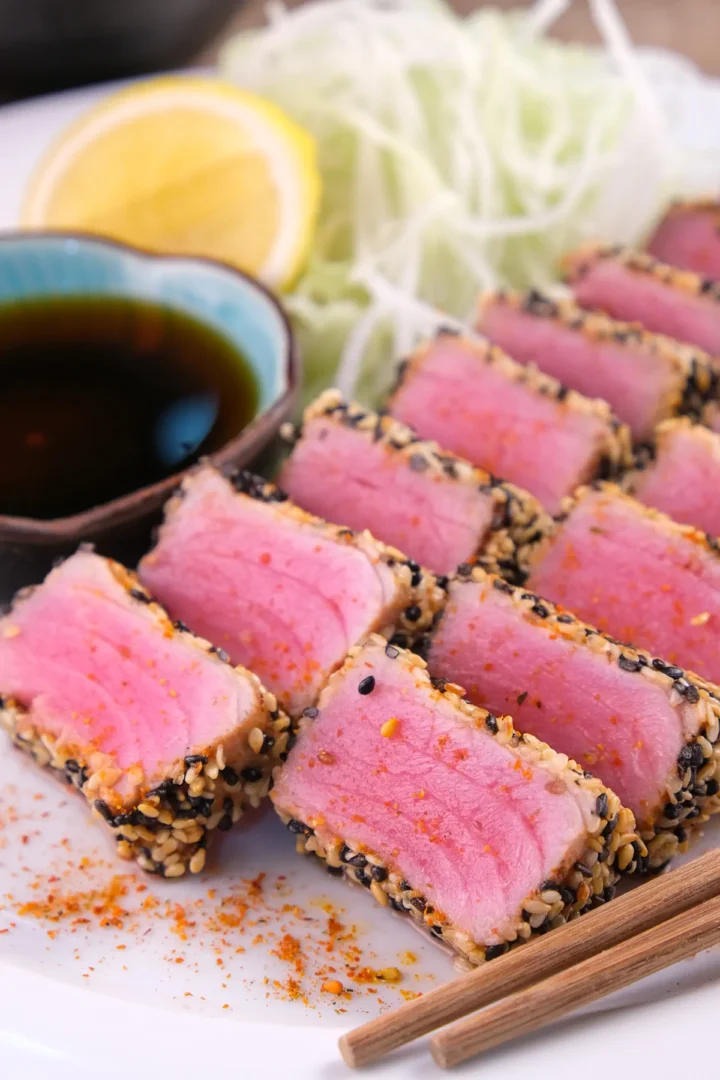
    Ahi Tuna Steak Recipe

    Try this quick tuna steak recipe! In just 10 minutes, you can enjoy perfectly seared tuna with a crispy sesame crust, accompanied by a flavorful ponzu sauce. It's a taste of Japanese cuisine in a low-carb, fresh, and light dish. Ready to give it a go?
    View full recipe

    • Prep Time: 5 minutes
    • Cooking Time: 5 minutes
    • Total Time: 10 Minutes
    • Difficulty Level: Easy
    • Recipe Makes 2 Servings
    Keto ahi tuna steak with a crispy sesame crust, sliced and served with ponzu sauce.

    Keto dessert recipes

    Sweeten your keto journey with easy dessert options. Explore delicious treats without the sugar concerns. If ice cream is calling, there's a guilt-free option. Try them out and share your thoughts in the comment section below!

    Low carb ice cream recipe.

    Cottage Cheese Ice Cream

    If you want to enjoy ice cream on keto, try our Cottage Cheese Ice Cream! It's all about creamy cottage cheese, frozen raspberries, and a hint of sweetness. Toss it in the freezer, and voilà! You've got a delightful, guilt-free treat.

    View full recipe

    • Prep Time: 15 minutes
    • Freeze Time: 2 hours
    • Total Time: 2 Hours 15 Minutes
    • Difficulty Level: Easy
    • Recipe Makes 4 Servings

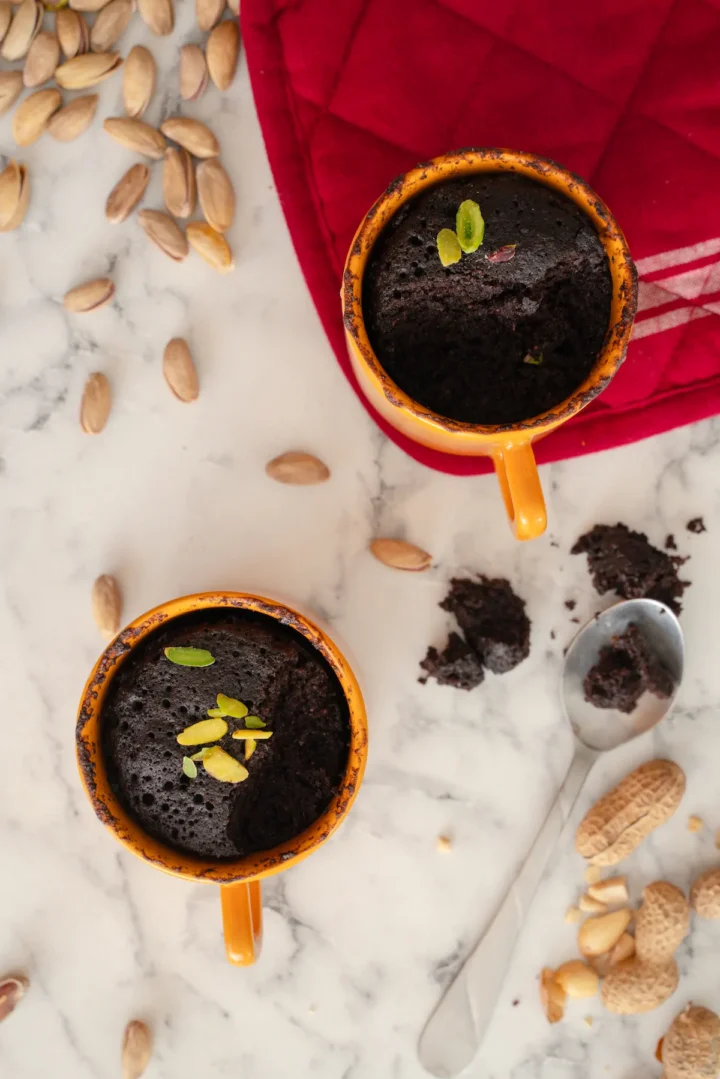
    Keto Chocolate Mug Cake

    Got a sweet tooth? Try our 10-minute chocolate mug cake – quick, easy, and low-carb with almond flour and cocoa. Toss in some nuts or sugar-free chocolate chips if you feel like it. All you need is a bowl, and a microwave-safe mug, and you're good to go. Treat yourself to this easy homemade keto goodness!
    View full recipe

    • Prep Time: 5 minutes
    • Cooking Time: 3 minutes 30 seconds
    • Total Time: 9 Minutes
    • Difficulty Level: Easy
    • Recipe Makes 2 Servings
    Homemade keto chocolate mug cakes, garnished with nuts and a spoonful taken out from each mugs.
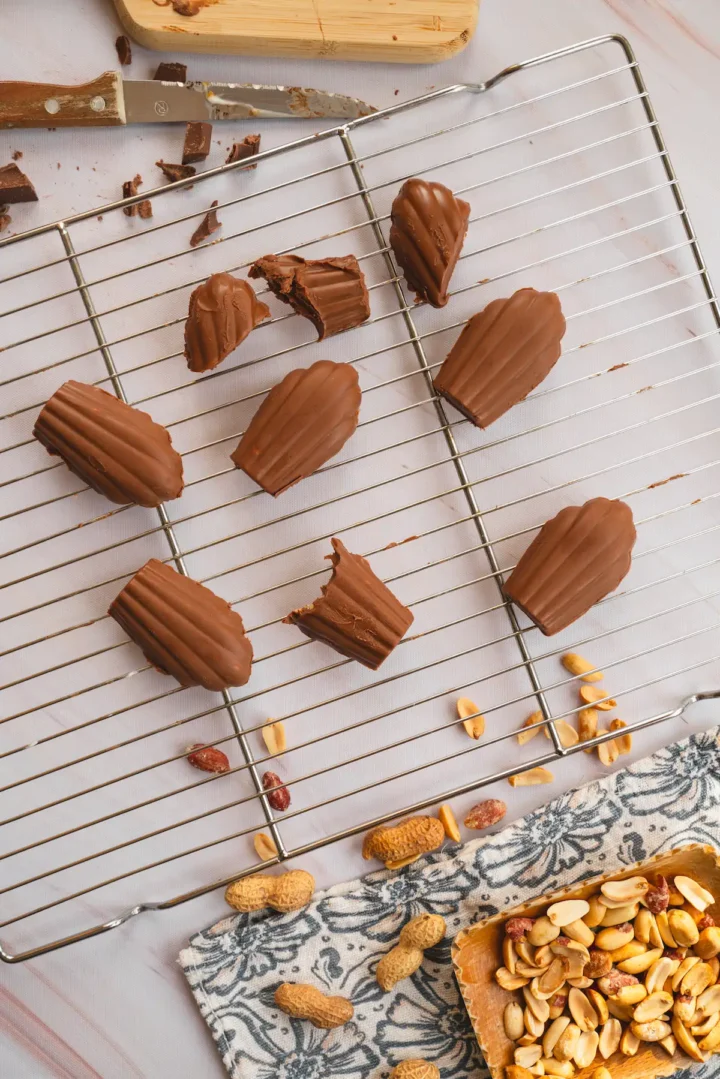
    Keto chocolate fudge resting on a wire rack alongside a bowl of roasted peanuts.

    Keto Chocolate Fudge

    If you're ever in the mood for a sweet treat on keto, you've gotta try our chocolate fudge. With just three simple ingredients, you have a smooth, sugar-free chocolatey delight. Super easy and yummy – you might even make an extra batch! Give it a shot, and let us know what you think.

    View full recipe 

    • Prep Time: 5 minutes
    • Melting Time: 3-4 minutes
    • Freezing Time: 1 hour
    • Total Time: 1 hour 10 Minutes
    • Difficulty Level: Easy
    • Recipe Makes 10 Servings

    Keto snack recipes

    Snacking got much more exciting with our awesome snacks that tickle your taste buds. We've got a mix of flavorful bites and crispy delights that are super easy to make. 

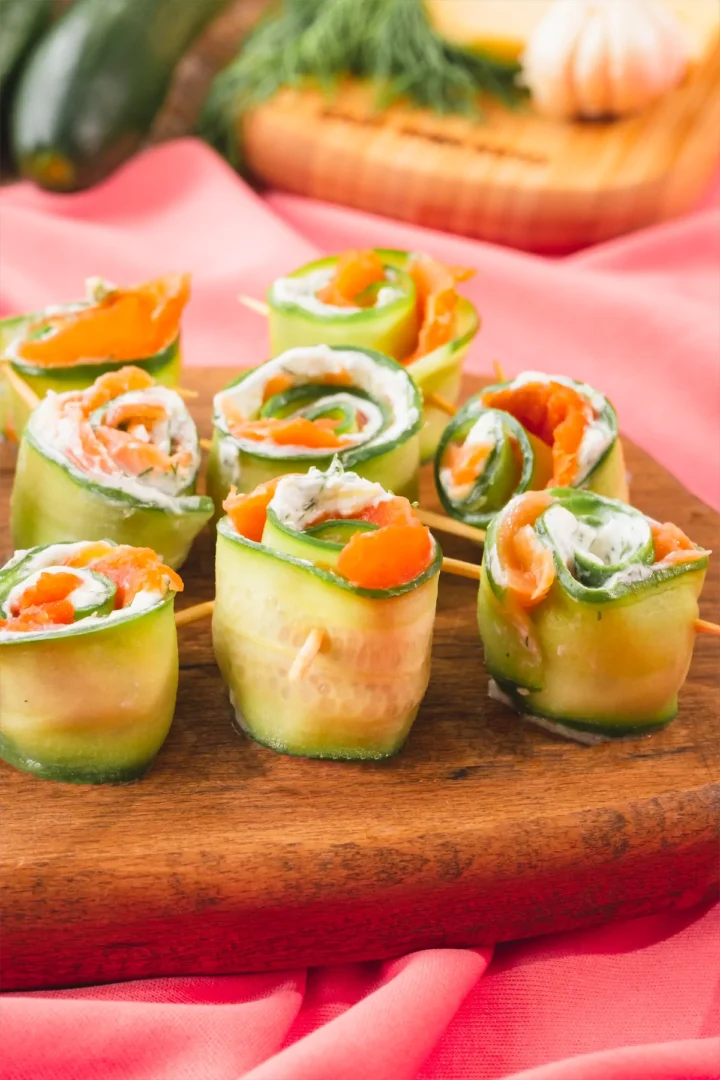
    Smoked Salmon Cucumber Rolls

    Say goodbye to boring appetizers, and let's jazz things up with our salmon cucumber rolls! Imagine a blend of creamy Labneh, savory smoked salmon, and the refreshing crunch of cucumber. It's like a flavor party in your mouth! These keto-friendly rolls are not just a treat for your taste buds but also a breeze to make. Ready in just 15 minutes, they're perfect whenever you're in the mood for a delightful snack.
    View full recipe

    • Prep Time: 20 minutes
    • Cooking Time: 0 minutes
    • Total Time: 20 Minutes
    • Difficulty Level: Easy
    • Recipe Makes 1 Serving
    Keto salmon cucumber rolls on tray.
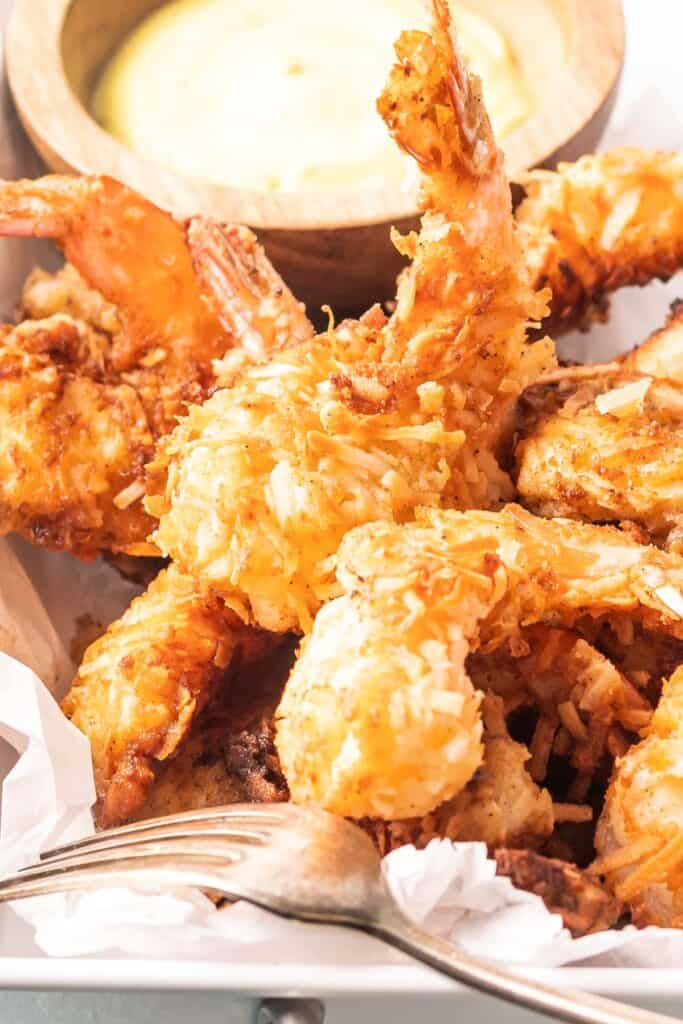
    a close-up shot of coconut shrimp in a serving tray

    Keto Coconut Shrimp

    Enjoy a crunchy snack with these coconut shrimp. They're simple to whip up and come out crispy and flavorful. You can cook them however you prefer – pan-fry, bake, air fry, or deep fry. Just make sure the oil is nice and hot for that golden perfection. Dip them in your favorite sauce and enjoy the tropical vibes.

    View full recipe

    • Prep Time: 10 minutes
    • Cooking Time: 10 minutes
    • Total Time: 20 Minutes
    • Difficulty Level: Easy
    • Recipe Makes 4 Servings

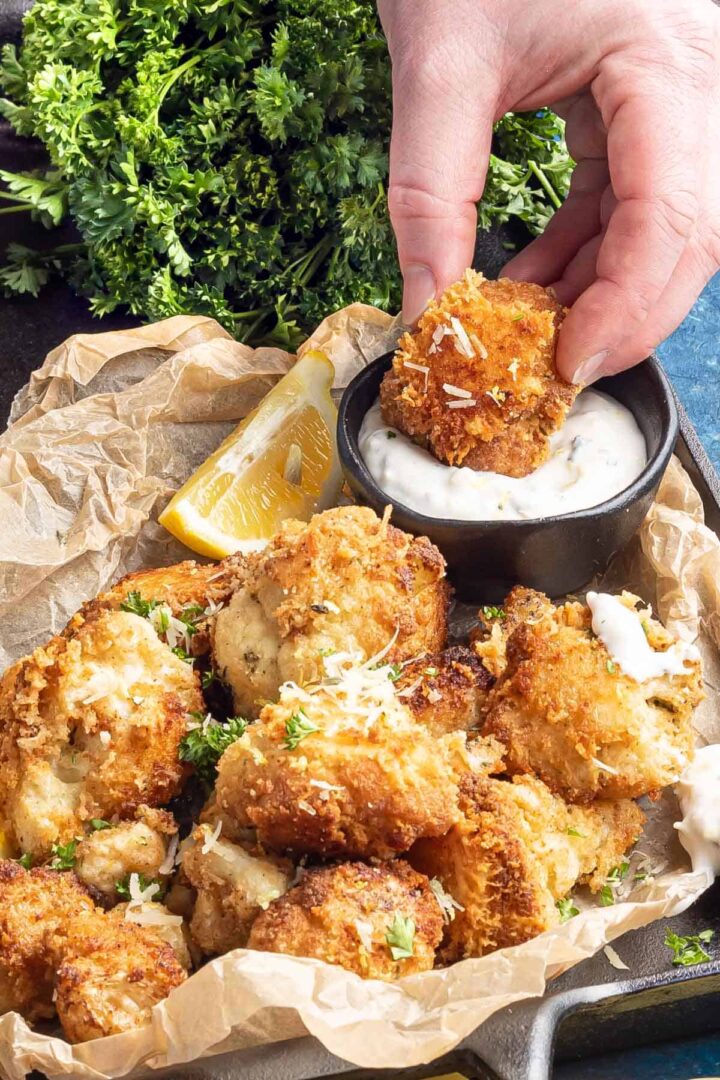
    Keto Italian Cauliflower Poppers

    If you are searching for a quick and easy vegetarian recipe, try our cauliflower poppers. Snack on golden, crispy cauliflower bites coated with herbs, spices, and Parmesan; the dipping sauce is spot on. It's a keto snack worth trying. Give it a go when you're in the mood for something tasty!
    View full recipe

    • Prep Time: 20 minutes
    • Cooking Time: 10 minutes
    • Total Time: 30 Minutes
    • Difficulty Level: Easy
    • Recipe Makes 6 Servings
    Keto Italian Cauliflower Poppers on a black cast iron tray with one being dunked into a sauce

    Keto salad recipes

     Check out these super easy no-cook salads for your keto meals. They're all about keeping it simple and tasty, so you don't have to worry about cooking. Give them a try and enjoy the ease and freshness!
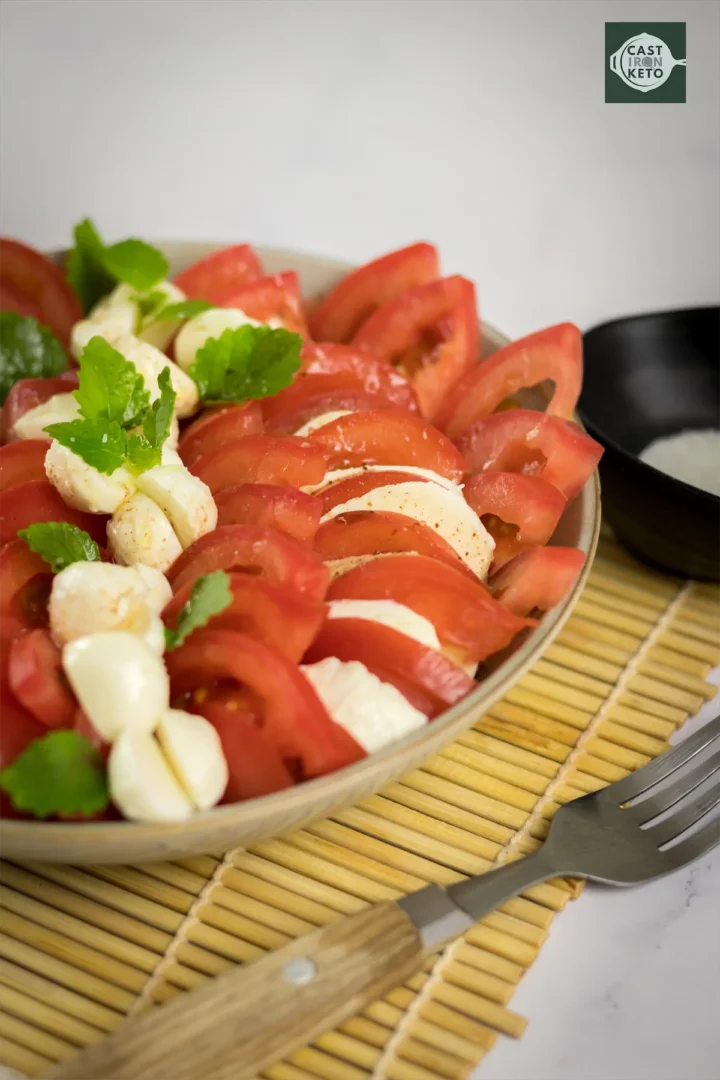
    Caprese salad recipe.

    Caprese Salad 

    You can make this no-cook salad in 10 minutes; simply layer sliced tomatoes, fresh mozzarella, and basil leaves. Drizzle with olive oil, add a pinch of salt and pepper – and there you have it! A quick, easy, and visually stunning salad ready to devour.

    View full recipe

    • Prep Time: 10 minutes
    • Cooking Time: 0 minutes
    • Total Time: 10 Minutes
    • Difficulty Level: Easy
    • Recipe Makes 4 Servings

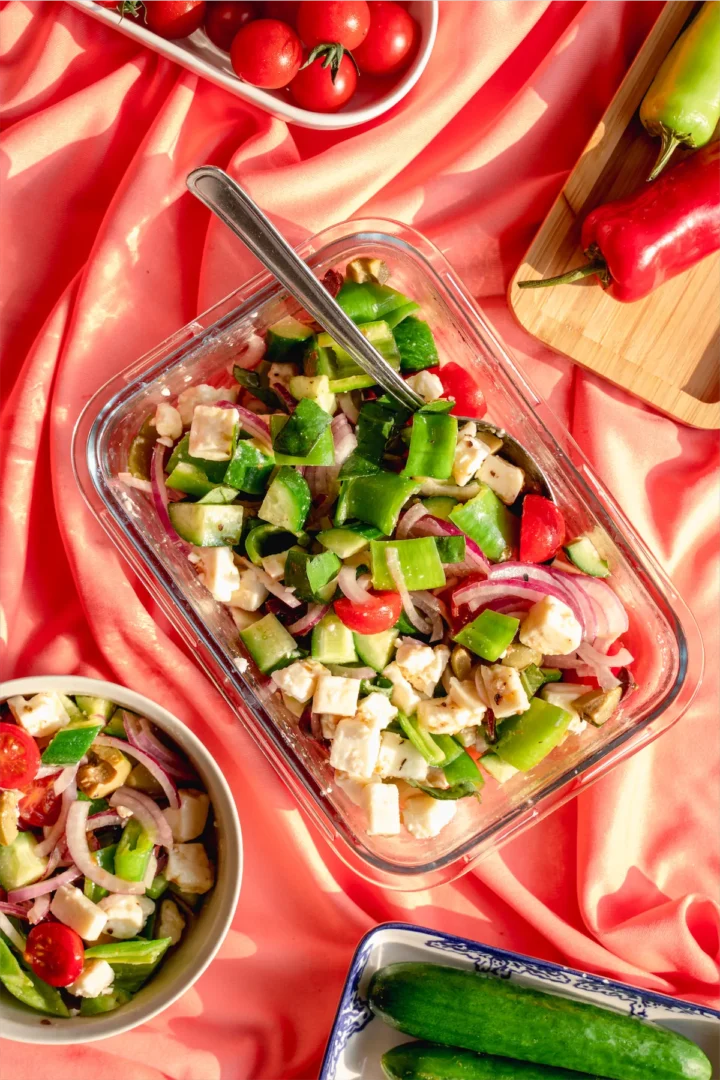
    Keto Greek Salad

    You won't believe how quick and easy it is—no cooking needed! Just chop up some fresh cucumbers, tomatoes, onions, and olives, crumble in some feta, and mix it in a tangy Greek dressing. A burst of flavors will transport you to the sunny Greek coast in just 15 minutes.
    View full recipe

    • Prep Time: 15 minutes
    • Cooking Time: 0 minutes
    • Total Time: 15 Minutes
    • Difficulty Level: Easy
    • Recipe Makes 2 Servings
    Salad in a glass bowl.
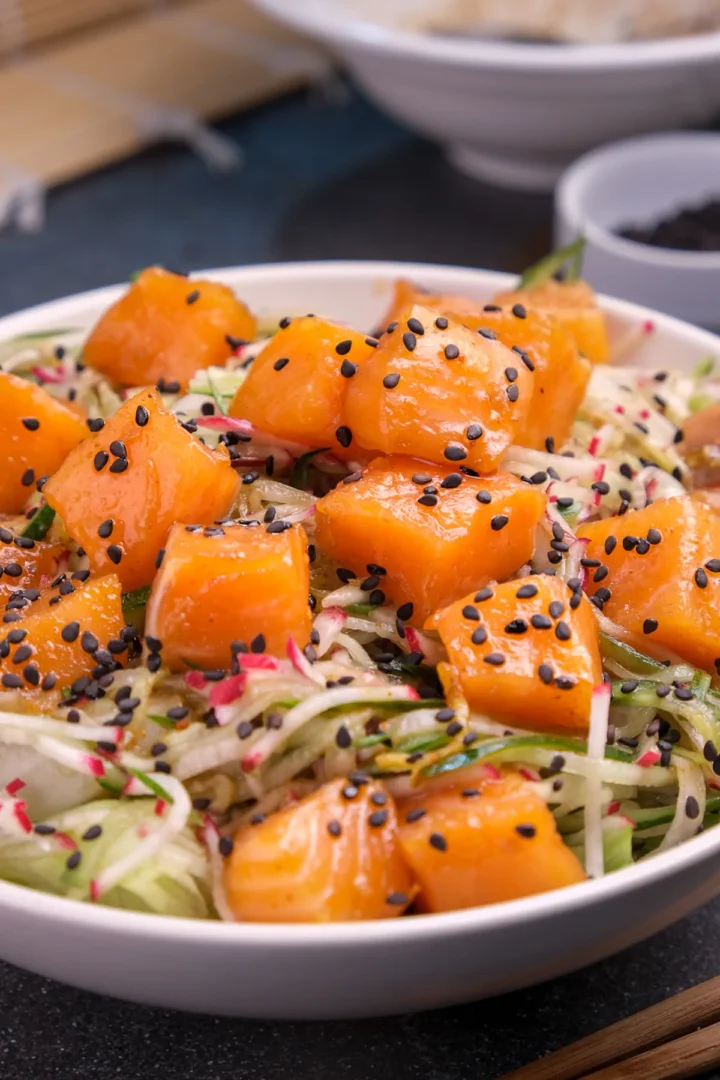
    Keto salmon bowl garnished with black toasted sesame seeds.

    Keto Salmon Bowl

    Feeling hungry and in the mood for something delicious? Try our salmon bowl – it's a breeze to whip up, and there's no need to turn on the stove! It is a bowl of fresh salmon, crunchy cucumbers, and radishes, all jazzed up with a flavorful Japanese-inspired dressing. In just 10 minutes, you've got a simple, low-carb meal ready to enjoy.

    View full recipe

    • Prep Time: 10 minutes
    • Cooking Time: 0 minutes
    • Total Time: 10 Minutes
    • Difficulty Level: Easy
    • Recipe Makes 2 Servings

    Learn how to use keto sweeteners

    Finding the sweetener that suits your taste buds is fun and interesting. Start with small amounts, taste as you go, and soon you'll be a keto sweetener maestro. Here's a lineup of keto-friendly sweeteners and tips on how to incorporate them into your low-carb meals:

    • Stevia: A potent natural sweetener. Use it sparingly in hot or cold beverages, desserts, and sauces. Its intense sweetness means a little goes a long way.
    • Erythritol: A sugar alcohol that's a go-to for baking is erythritol. It measures like sugar, providing sweetness without the carb load. Perfect for cookies, cakes, and other keto-friendly treats.
    • Monk fruit: Extracted from the monk fruit, it's a versatile sweetener for beverages, desserts, and even savory dishes. It brings sweetness without adding carbs, making it an excellent sugar substitute.
    • Xylitol: Another sugar alcohol, great for baking. Use it in recipes for cookies, muffins, or any other baked goods where you'd traditionally use sugar. Keep it away from pets, as it can be harmful to them.
    • Allulose: A low-calorie sweetener with a taste and texture similar to sugar. Use it in baking and cooking, and it's especially handy for caramelizing. 
    • Inulin/chicory root fiber: A versatile addition to your sweetener options, inulin or chicory root fiber not only adds sweetness but also provides a boost of fiber. Add it to your low-carb baking goods, smoothies, hot beverages, desserts, cereal or yogurt toppings, and homemade bars. 

    Conclusion

    Starting a keto diet is like setting off a new adventure – you've got to be committed and know what you're getting into. Just follow these simple guidelines, and you'll kick off your keto journey feeling confident. Remember to consult with a healthcare provider before making significant dietary changes.  

    Plus, guess what? The keto diet doesn't have to be dull and restrictive – we've got loads of recipes to jazz up your journey and keep things interesting. Enjoy discovering a healthier, more energized version of yourself!

    Catch these keto success stories from real people.

    Note

    It's important to choose the approach that best aligns with your personal health goals, lifestyle, and preferences. Consult with healthcare professionals or nutritionists before making significant changes to your diet, especially if you have any underlying health conditions. This ensures that your chosen diet plan is safe and suitable for your individual needs.

    By understanding the pros and cons of each type of keto diet, you can make an informed decision that best suits your lifestyle and health objectives.

    Disclaimer: This post contains affiliate links. If you make a purchase through these links, we may earn a small commission at no additional cost to you. Thank you for supporting us!

    Frequently asked questions

    Avoid high-carb foods like grains, sugary items, and starchy vegetables. Limit fruits, especially those high in sugar. Steer clear of processed foods with hidden carbs.

    Focus on high-fat, moderate-protein, and low-carb foods. Keep net carb intake under 50 grams daily for ketosis. Prioritize whole, unprocessed foods, and stay hydrated.

    Opt for budget-friendly staples like eggs, ground meats, and leafy greens. Buy in bulk, plan meals, and prep ahead to minimize waste. Explore local markets and discounts for affordable keto-friendly options.

    « Baked Chicken Legs with Pesto Sauce 🍗
    Loaded Cauliflower Casserole Recipe 🥘 »

    Reader Interactions

    Leave a Reply Cancel reply

    Your email address will not be published. Required fields are marked *

    Recipe Rating


    Primary Sidebar

    cast iron keto logo

    Cast Iron Keto publishes tasty low-carb gluten-free recipes all made in cast-iron cookware. We hope you find something you love!

    More about us →

    Trending Recipes

    • keto stuffed peppers in a cast iron skillet
      Keto Stuffed Peppers (Classic Recipe) 🫑
    • Keto Burger on a upside down sheet pan with tomatoes in the background
      Keto Burger - In-N-Out Style 🍔
    • Keto Cheesy Cabbage Sausage Skillet on tabletop
      Keto Cheesy Cabbage Sausage Skillet 🥘
    • Keto Sloppy Joe mixture in a cast iron skillet with a serving spoon
      Keto Sloppy Joes (Skillet Style) 🥘
    • Keto Butter Chicken in a cast iron skillet with cauliflower rice
      Keto Butter Chicken (Easy 30 Minutes Recipe) 🥘
    • Keto Pork Tenderloin in cast iron skillet
      Keto Pork Tenderloin with Garlic Herb Butter 🥩

    Footer

    CastIronKeto

    Subscribe

    Subscribe to our newsletter and get all of the latest news and updates.

    QUICK LINKS

    • Keto Recipes
    • Keto Friendly Foods Database
    • Web Stories
    • Cookbook
    • Privacy Policy
    • Accessibility Policy

    ABOUT

    • Contact Us
    • About Us
    • Work With Us
    • Sitemap
    • Pinterest
    • nofollow
    • Instagram
    • YouTube

    As an Amazon associate, We earn from qualifying purchases.

    © 2025 Castironketo. All Rights Reserved.

    Join the CastIronKeto email list

    Loading...

    Thank You for Subscribing.