Is Lamb Keto-Friendly?
The short answer is a resounding yes!
In this article, you will find a full breakdown of lamb's carb content, offer suggestions on how to incorporate this versatile meat into your keto meal plan, and highlight its impressive nutritional profile.
From its rich protein content to its assortment of vitamins and minerals, you'll discover how lamb can not only fit into a keto diet but also contribute significantly to your overall health.
So, let's jump right into the meaty goodness of lamb on a keto diet!
TL;DR
Is Lamb Keto-Friendly?
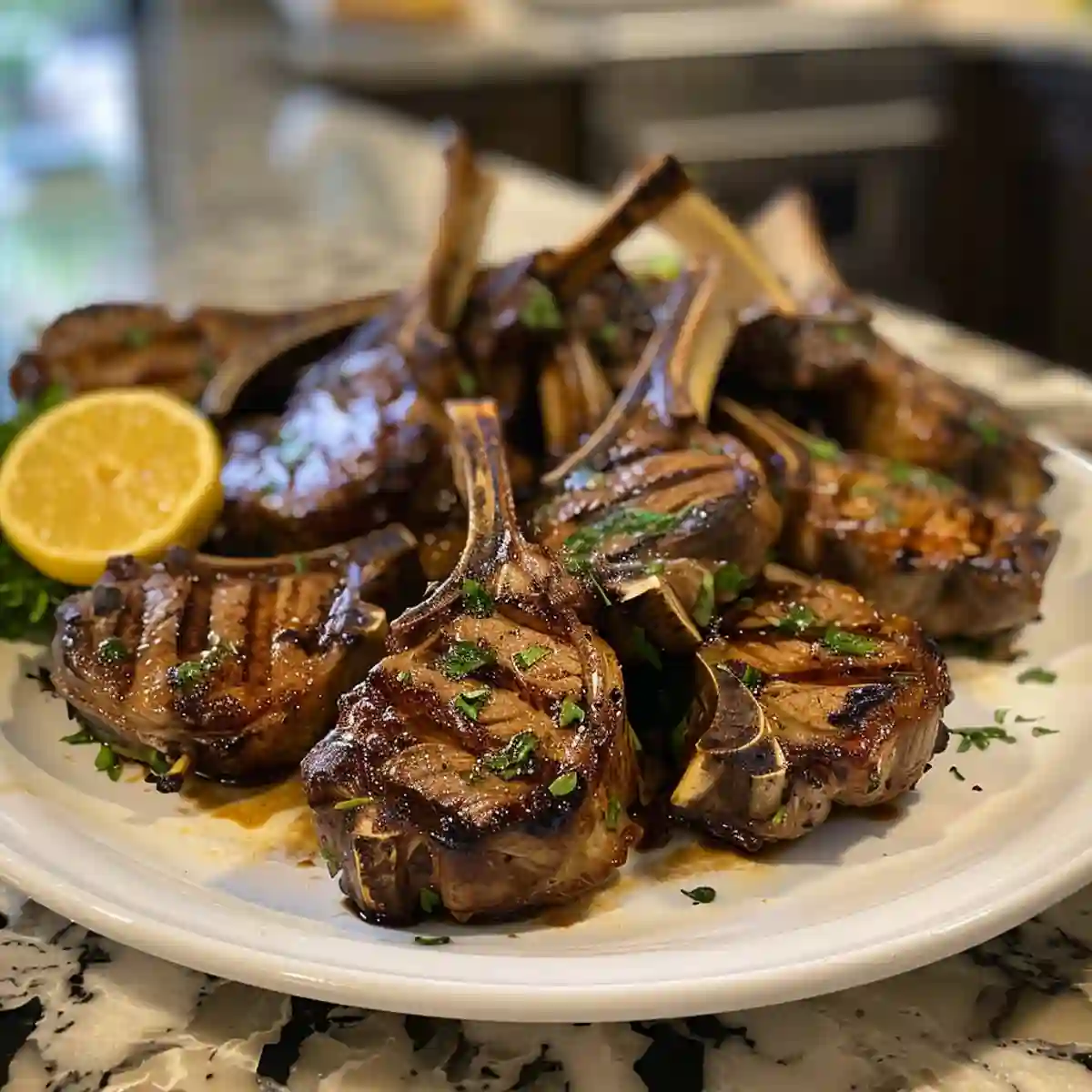
Yes, lamb is keto-friendly. With 0.0 g net carbs per 100 g, it falls well within the acceptable range for those following a ketogenic diet, which restricts carbohydrate intake usually to below 50g per day.
The primary focus of a ketogenic diet is to shift the body's metabolism from burning glucose to burning fats. This is achieved by consuming foods that are high in fats and low in carbs, and lamb fits this profile well. Apart from having zero net carbs, lamb is also a rich source of dietary fats, with 68.87g total lipid (fat) per 100 g, making it a perfect choice for those on a ketogenic diet.
Can You Have Lamb on a Strict Keto Diet?
Indeed, lamb can comfortably fit into both regular and strict keto diets. A strict ketogenic diet typically limits carb intake to less than 20g per day. With lamb having 0.0 g net carbs per 100 g, it can easily be incorporated into a strict keto diet.
Some people also follow a more relaxed form of the keto diet, known as the low-carb diet, where daily carb intake is limited to between 30-50g of net carbs per day. Lamb, of course, fits into this diet as well.
Carbs In Lamb
Lamb contains 0.0 g net carbs per 100 g, making it extremely low in carbs and suitable for a keto diet. Additionally, lamb has a low glycemic index of 0 [source], which means it has minimal impact on blood sugar levels. This is especially relevant for those managing their carb intake and aiming to maintain a state of ketosis. Foods with a lower GI digest slowly, leading to a steady rise in blood sugar levels, whereas foods with a high GI are quickly digested, causing a rapid spike.
Lamb Nutrition Facts
Lamb, per 100g serving, provides an energy of 2711kJ from its significant content of Total lipid (fat) at 68.87g, which includes both Saturated fatty acids (35.353g), Monounsaturated fatty acids (27.975g), and Polyunsaturated fatty acids (2.844g). It also contains 6.27g of Protein with essential amino acids like Leucine (0.487g), Lysine (0.553g), and more.
The analysis further reveals zero net carbohydrates, making lamb suitable for carbohydrate-restricted diets. It has a water content of 25.08g and Ash at 0.35g.
Lamb is a source of several vitamins and minerals. The Mineral profile includes Calcium (19mg), Iron (0.63mg), Magnesium (7mg), Phosphorus (71mg), Potassium (112mg), Sodium (33mg), Zinc (1.06mg), Copper (0.046mg), and Selenium (4µg).
The Vitamin content includes Thiamin (0.057mg), Riboflavin (0.107mg), Niacin (1.753mg), Pantothenic acid (0.263mg), Vitamin B-6 (0.111mg), and a noteworthy amount of Vitamin B-12 (1.06µg).
| Nutrient Name | Amount and Unit per 100 g |
|---|---|
| Net Carbs | 0.0g |
| Water | 25.08g |
| Energy | 2711.0kJ |
| Protein | 6.27g |
| Total lipid (fat) | 68.87g |
| Ash | 0.35g |
| Calcium, Ca | 19.0mg |
| Iron, Fe | 0.63mg |
| Magnesium, Mg | 7.0mg |
| Phosphorus, P | 71.0mg |
| Potassium, K | 112.0mg |
| Sodium, Na | 33.0mg |
| Zinc, Zn | 1.06mg |
| Copper, Cu | 0.046mg |
| Selenium, Se | 4.0µg |
| Thiamin | 0.057mg |
| Riboflavin | 0.107mg |
| Niacin | 1.753mg |
| Pantothenic acid | 0.263mg |
| Vitamin B-6 | 0.111mg |
| Vitamin B-12 | 1.06µg |
| Fatty acids, total saturated | 35.353g |
| SFA 10:0 | 0.142g |
| SFA 12:0 | 0.241g |
| SFA 14:0 | 2.942g |
| SFA 15:0 | 0.47g |
| SFA 16:0 | 16.2g |
| SFA 17:0 | 1.138g |
| SFA 18:0 | 14.089g |
| SFA 20:0 | 0.131g |
| Fatty acids, total monounsaturated | 27.975g |
| MUFA 14:1 | 0.12g |
| MUFA 16:1 | 1.334g |
| MUFA 18:1 | 25.771g |
| MUFA 20:1 | 0.246g |
| Fatty acids, total polyunsaturated | 2.844g |
| PUFA 18:2 | 1.652g |
| PUFA 18:3 | 0.798g |
| PUFA 20:4 | 0.263g |
| Cholesterol | 77.0mg |
| Tryptophan | 0.073g |
| Threonine | 0.268g |
| Isoleucine | 0.303g |
| Leucine | 0.487g |
| Lysine | 0.553g |
| Methionine | 0.16g |
| Cystine | 0.075g |
| Phenylalanine | 0.255g |
| Tyrosine | 0.211g |
| Valine | 0.338g |
| Arginine | 0.372g |
| Histidine | 0.199g |
| Alanine | 0.377g |
| Aspartic acid | 0.551g |
| Glutamic acid | 0.909g |
| Glycine | 0.306g |
| Proline | 0.263g |
| Serine | 0.233g |
Health Implications of Lamb on a Keto Diet
Lamb is not only low in carbs, but it's also packed with various nutrients beneficial for overall health. It's an excellent source of protein, offering 6.27g per 100g, which is crucial for muscle repair and growth. It also provides an array of vitamins and minerals, including Iron, Calcium, Magnesium, and several B vitamins which help support body functions from energy production to immune response.
Incorporating Lamb into Your Keto Meal Plan
- Roasted, grilled, or slow-cooked, lamb can be prepared in various ways and paired with low-carb vegetables like broccoli, spinach, or cauliflower to make a satisfying keto meal.
- Create keto-friendly dishes using lamb. For instance, a lamb salad with olives and feta, or keto-friendly lamb kebabs marinated in herbs and spices can be delicious and nutritious options.
- Remember to keep track of portion sizes. Despite lamb being keto-friendly, overeating can still result in excess calorie intake. Use a food diary or tracking app to monitor your daily intake.
Keto-Compatible Alternatives for Lamb
- Beef: Similar to lamb, beef is also low in carbs and can be a great alternative. It can be used in a variety of keto recipes like beef steaks or keto beef stew. Nutritional profiles are comparable, with beef also being a rich source of protein and essential vitamins and minerals.
- Chicken: This is another excellent choice. It's versatile and can be used in many keto-friendly dishes, such as grilled chicken salad or chicken soup. It's also high in protein, but lower in fats compared to lamb, which could be beneficial depending on your specific dietary goals.
- Fish: Certain types of fish like salmon and mackerel are not only low in carbs, but also packed with omega-3 fatty acids which are beneficial for heart health. They can be grilled, baked, or used in salads, providing a tasty and nutritious alternative to lamb.
Concluding Thoughts on Lamb and Keto
Lamb is indeed a great addition to a keto diet, considering its zero carb content and its rich nutrient profile that includes protein, Iron, Calcium, Magnesium, and several B vitamins. However, it's important to be mindful of its high fat content, particularly if you're aiming for a balanced diet.
Lamb's versatility in cooking provides ample opportunities to incorporate it into your keto meal plan. From roasting to grilling, lamb can be used in a variety of tasty, keto-friendly dishes. Using handy tools like food diaries or smartphone apps can help you track your carb intake and maintain a state of ketosis.
While lamb is a standalone favorite, it's always exciting to experiment with other keto-friendly alternatives like beef, chicken, fish, or tofu. Each has its unique nutritional benefits and can add variation to your meals. Try pairing these proteins with different low-carb vegetables and fun sauces to discover new flavors and textures.
Explore our Is It Keto Knowledge Hub. |
|---|
| Is Turkey Keto-Friendly |
| Is Pork Keto-Friendly |
| Is Chicken Keto-Friendly |
| Is Beef Keto-Friendly |
| Are Meat Keto-Friendly |
Cast Iron Keto's Editorial and Research Standards
Certain rare or exotic food items may not have nutritional profiles in the FoodData Central database. If an exact match is not found in the FoodData Central database, then, the Cast Iron Keto team utilizes a three-prong approach to provide readers with the closest relevant nutritional data, where possible.
First, in the event that nutritional profiles for a rare or exotic food item is not available in the FoodData Central database, we investigate alternative names for that particular food item and use that data, when possible. Second, in cases where no alternate names exist, Cast Iron Keto will use nutritional data for a close relative or similar food item. Finally, if no close relatives or similar items exist, we refrain from publishing nutrient data tables.
When making dietary or health decisions based on FoodData Central's data, we suggest readers consult with a nutritionist or other health experts, particularly if the food in question has a significant role in your diet or if you are using the food item to treat any health disorder(s).
Furthermore, it is important to note that even if a close relative or similar item is used to approximate the nutritional data, different food items can have varying levels of nutrients due to factors such as soil quality, farming practices, and regional differences.
Disclaimer:
The information on this website is only intended to be general summary information for public use, designed for educational purposes only and is not engaged in rendering medical advice or professional services. This information does not replace written law or regulations, nor does it replace professional medical advice, diagnosis, or treatment. If you have questions about a medical condition or are seeking to evaluate the health merits of certain food items for the treatment of any medical condition, you should seek the advice of a doctor or other qualified health professionals.
The views expressed at, or through, Cast Iron Keto are for informational purposes only. Cast Iron Keto cannot guarantee the validity of the information found here. While we use reasonable efforts to include accurate and up-to-date information, we make no warranties as to the accuracy of the content and assume no liability or responsibility for any errors or omissions in the content. All liability with respect to actions taken or not taken based on the contents of this website are hereby expressly disclaimed. The content on this posting is provided "as is;" no representations are made that the content is error-free.