Is Puri Keto-Friendly?
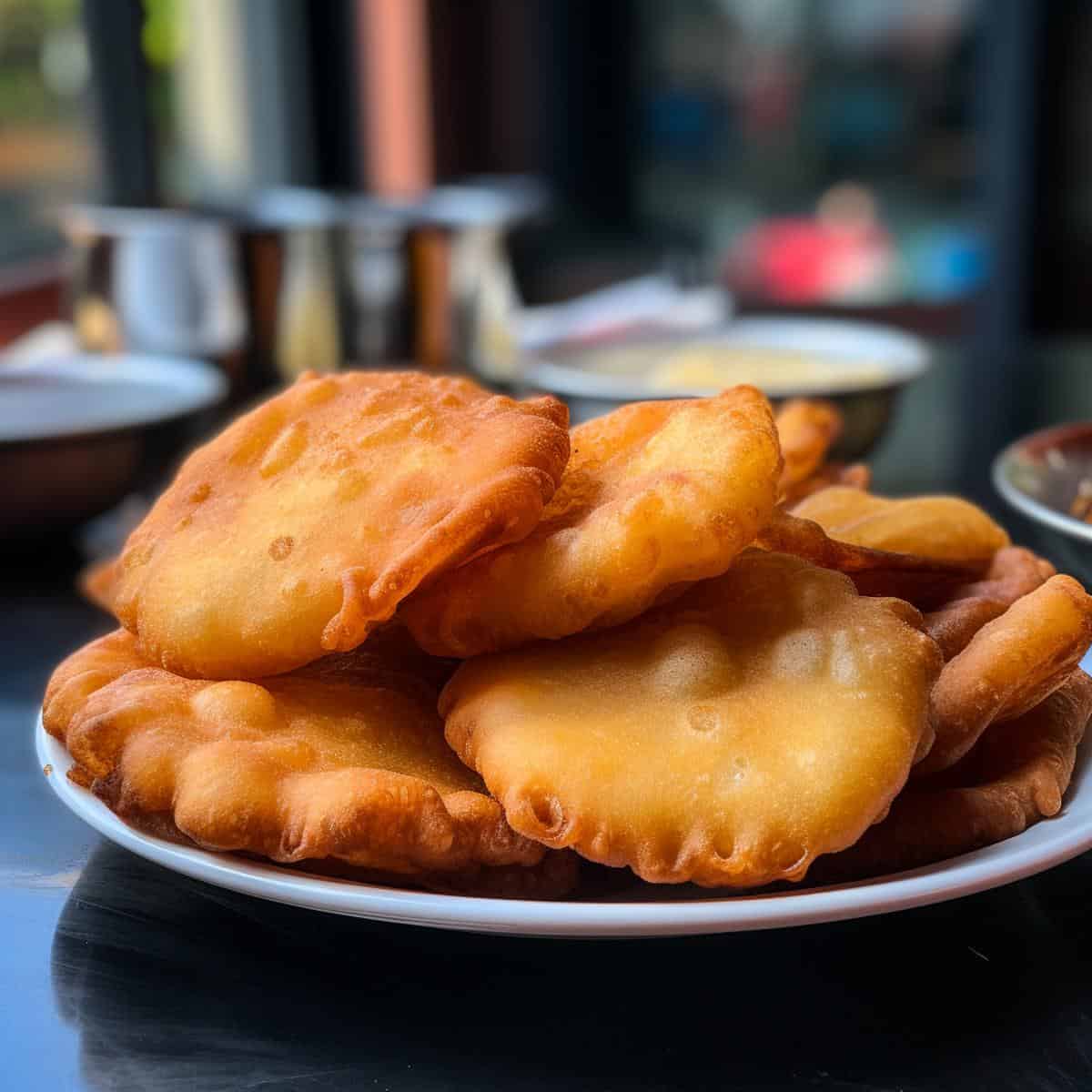
The question, "Is Puri Keto-Friendly?" might seem simple at first glance, but it opens up a fascinating exploration into the world of nutrition, specifically in the context of a ketogenic diet.
In this discussion, we provide a comprehensive analysis of Puri's carbohydrate content, its impact on a keto diet, and potential strategies to maintain a keto-friendly lifestyle despite the temptation of this delicious Indian bread.
While Puri holds a special place in many of our hearts (and stomachs), you'll learn that it poses significant challenges for those aspiring to stick to a keto regimen.
However, don't despair - we'll also delve into some exciting, keto-compatible alternatives that could satisfy your Puri cravings while keeping you squarely within your dietary boundaries.
Here's to a flavorful journey of understanding Puri in the context of a keto diet!
TL;DR
Is Puri Keto-Friendly?
Now let's zero in on the question on everyone's mind: Is Puri Keto-Friendly? The short, and perhaps disheartening, answer is no. The reason? It all comes down to the carbohydrate content.
Puri is a form of bread, and like many other types of bread, it's primarily composed of carbohydrates. To be more specific, Puri contains approximately 35.73 grams of net carbohydrates per 100 grams. As keto followers, we know that our diet is centered around low-carb, high-fat foods. Typically, we aim to limit our daily carbohydrate intake to between 20 and 50 grams, depending on individual goals and tolerance.
So, when we compare these numbers, it's clear that Puri's carbohydrate content is significantly higher than what is typically allowed in a ketogenic diet. To put it in perspective, a single 100-gram serving of Puri can potentially exceed the total daily carb limit for many individuals following a strict ketogenic diet.
Can Puri be Incorporated into a Strict Keto Diet?
So, can Puri be incorporated into a strict keto diet? The reality is that it would be challenging to fit Puri into a rigorous keto regimen due to its high net carb content.
With the goal of ketosis in mind, it becomes crucial for us to keep a close eye on our carb intake. Each gram matters when you're trying to stay below the 20 to 50 grams daily limit. Now, considering Puri has around 35.73 grams of net carbs per 100 grams, even one serving could potentially throw you off your ketogenic course.
One of the strategies we often use to maintain our keto diet is diligent tracking of our macro-nutrient intake. There are various tools and apps available nowadays that can help you monitor your daily intake of carbs, proteins, and fats, enabling you to stay within your keto limits. By consistently tracking your food intake, you can gain a better understanding of what foods fit into your diet and which ones, like Puri, you might need to avoid to maintain ketosis.
Delving into the Carbohydrate Content of Puri
Let's delve deeper into the carbohydrate content of Puri and what it means for those of us following a keto diet. As we've already mentioned, Puri contains around 35.73 grams of net carbohydrates per 100 grams. But what exactly does this mean, and why does it matter?
Net carbs are essentially the carbs that your body can digest and use for energy. They are calculated by subtracting the grams of fiber (indigestible carbs) from the total grams of carbohydrates in a food item. For individuals on a keto diet, tracking net carbs as opposed to total carbs can be more beneficial as it provides a clearer picture of the carbs that will impact your blood sugar levels and potentially affect ketosis.
So, coming back to Puri, let's consider its carbohydrate content with respect to typical serving sizes. Puri is usually small and light, with an average piece weighing about 25 grams. This means that even a single piece of Puri contains around 9 grams of net carbs. Now, let's say you're at a family gathering and you consume four pieces of Puri (which is quite easy given how delicious they are). You'd be consuming 36 grams of net carbs from the Puri alone, not counting the carbs from other foods that might be part of the meal.
Nutritional Snapshot of Puri
Puri, a popular type of Indian bread, is a diverse mix of macro and micronutrients. Consuming 100g of Puri provides a significant portion of your daily nutritional needs, contributing to several different aspects of your overall health and wellness.
For starters, the carbohydrate content of Puri is quite high with 39.23g per 100g, primarily made up of net carbs (35.73g) and dietary fiber (3.5g). The dietary fiber contributes to the maintenance of a healthy digestive system.
Alongside carbohydrates, Puri also contains a considerable amount of fats, with a total fat content of 24.94g. This includes saturated (3.41g), monounsaturated (9.71g), and polyunsaturated fatty acids (10.01g). These fats are essential for cell growth, hormone production, and overall energy provision.
Protein is another key macronutrient present in Puri, with 6.84g found in every 100g serving. Proteins are fundamental building blocks of body tissue, aiding in growth and repair.
In terms of micronutrients, Puri is rich in both sodium (170.0mg) and potassium (134.0mg). These minerals play crucial roles in maintaining fluid balance and promoting proper function of nerves and muscles. The presence of other minerals such as magnesium, calcium, copper, iron, phosphorus, selenium, and zinc contributes further to the nutritional value of Puri. Each of these minerals has specific roles in the body, ranging from bone health to immune function and energy metabolism.
Puri also contains a range of vitamins such as Vitamin B-6, Vitamin E (alpha-tocopherol), Vitamin K1, thiamin, riboflavin, niacin, folate, and folic acid. These vitamins are fundamental for maintaining good health and play various roles in the body including energy production, red blood cell formation, and maintenance of skin health.
Unique to Puri, it has a notable amount of lutein and zeaxanthin (52.0ug), which are carotenoids known to promote eye health. Furthermore, it does contain trace amounts of beta-carotene, another carotenoid that the body can convert into vitamin A.
Finally, the calorific value of Puri is 409.0kcal per 100g serving, and it has a water content of 27.99g, which aids in hydration.
| Nutrient Name | Amount and Unit per 100g |
|---|---|
| Net Carbs | 35.73g |
| Carbohydrate, by difference | 39.23g |
| Fiber, total dietary | 3.5g |
| Total fats | 24.94g |
| Protein | 6.84g |
| Sodium, Na | 170.0mg |
| Potassium, K | 134.0mg |
| Magnesium, Mg | 43.0mg |
| Calcium, Ca | 16.0mg |
| Vitamin B-6 | 0.08mg |
| Vitamin E (alpha-tocopherol) | 4.06mg |
| Vitamin K1 | 26.6ug |
| Copper, Cu | 0.16mg |
| Iron, Fe | 2.55mg |
| Phosphorus, P | 120.0mg |
| Selenium, Se | 10.3ug |
| Zinc, Zn | 1.04mg |
| Beta-carotene | 1.0ug |
| Lutein + zeaxanthin | 52.0ug |
| Thiamin | 0.29mg |
| Riboflavin | 0.14mg |
| Niacin | 2.93mg |
| Folate, total | 35.0ug |
| Choline, total | 10.4mg |
| Folic acid | 24.0ug |
| Calories | 409.0kcal |
| Water | 27.99g |
| Fatty acids, total saturated | 3.41g |
| Fatty acids, total monounsaturated | 9.71g |
| Fatty acids, total polyunsaturated | 10.01g |
'Puri' was not found in FoodData Central, so nutritional data for 'Bread, puri' was used instead under Cast Iron Keto's editorial and research standards.
Health Implications of Puri on a Keto Diet
Moving forward, let's explore the health implications of including Puri in a ketogenic diet. As we've established, the high net carb content in Puri can pose a significant challenge for those striving to maintain ketosis. Consuming Puri can potentially kick your body out of this fat-burning state, making it harder for you to reap the metabolic benefits of a keto diet.
However, it's also worth noting that while Puri may not be keto-friendly, it does have certain properties that contribute to overall health and wellness. Puri is often made from whole wheat flour, which contains a good amount of dietary fiber. Fiber is essential for a healthy digestive system and can contribute to heart health by helping to reduce bad cholesterol levels. Puri also provides a quick source of energy due to its high carbohydrate content. But, of course, this quick energy doesn’t fit well with the sustained energy goals of a keto lifestyle.
Another aspect to consider is the cooking method. Puri is typically deep-fried, and while fats are a crucial part of the keto diet, not all fats are created equal. Deep frying often involves the use of unhealthy oils which can contribute to inflammation and other health issues when consumed in excess.
Avoiding Puri in Your Keto Meal Plan
Given the high net carb content of Puri, how can we successfully avoid it in our keto meal plan? Here are some practical tips and strategies to help you steer clear of Puri and maintain your keto regimen.
Firstly, it's important to have a game plan, especially when attending social events or dining out, where Puri might be served. In these cases, it can be beneficial to eat a small, keto-friendly meal before the event to curb your appetite. This way, you can easily pass on the Puri and other high-carb foods without feeling deprived or overly hungry.
Another strategy is to find keto-friendly alternatives for Puri that can satisfy your cravings without jeopardizing your state of ketosis. There are numerous low-carb bread recipes available online that use ingredients like almond flour or coconut flour instead of wheat flour. This way, you can still enjoy the feeling of eating bread without loading up on carbs.
When it comes to cooking at home, experiment with different recipes and ingredients that fit your keto diet. There's a world of delicious, keto-friendly Indian dishes out there that don't require Puri. This will help you maintain a low-carb diet and enjoy a variety of flavors.
Sometimes, the craving for Puri might be more about the texture or the act of eating bread with your meal. In such cases, try to identify the specific aspect you're craving, and then seek out low-carb options that offer a similar experience.
Keto-Compatible Alternatives for Puri
The question arises: if Puri is off the menu for keto dieters, what are some keto-compatible alternatives? There are indeed several options that can allow you to enjoy a bread-like experience while maintaining your state of ketosis.
Probably one of the most popular alternatives to traditional bread on a keto diet is almond flour bread. Almond flour is low in carbs, high in healthy fats, and it provides a similar texture to traditional bread. As a direct comparison, while 100 grams of Puri contains around 35.73 net carbs, the same amount of almond flour bread typically contains just 3.9 grams of net carbs.
Another great alternative is coconut flour bread. Coconut flour is also low in carbs and high in fiber, providing you with a filling, bread-like item that's compatible with your keto diet. 100 grams of coconut flour bread contain approximately 5 grams of net carbs, considerably lower than Puri.
Flaxseed meal can also be used to make a super low-carb, keto-friendly bread. It's rich in omega-3 fatty acids and fiber, making it a healthful addition to any diet, not just keto. A 100-gram serving of flaxseed meal bread contains just 1.4 grams of net carbs.
These bread alternatives can be effectively incorporated into various keto recipes. For instance, you can make keto-friendly sandwiches with almond flour bread or use the coconut flour bread to make a low-carb, high-fat keto-friendly toast for breakfast. Flaxseed meal bread can be used to make a hearty, low-carb base for open-faced sandwiches or tartines.
Concluding Thoughts on Puri and Keto
In conclusion, the journey of understanding Puri's place in a keto diet has been enlightening. We've established that due to its high net carb content, Puri presents a significant stumbling block for those trying to maintain the carb limit of a strict keto diet. While Puri does have nutritional merits in a general dietary context, such as its fiber content from whole wheat flour, its high carb count and the typical deep-frying cooking method make it unsuitable for keto.
However, it's not all a culinary closed road for our keto dieters. The world of keto dieting is rich with alternatives, and we've discussed a few like almond flour bread, coconut flour bread, and flaxseed meal bread. These alternatives offer lower carb counts, align with the keto principle of high fats, and can be versatile in their use in various dishes.
But it’s crucial to note that the keto diet, like any other, should not feel like a punishment or deprivation but rather an exploration of different foods and flavors that align with your health goals. One unique idea might be to initiate a 'new food' day once a week, where you try out a new keto-friendly alternative or recipe. This could keep the diet exciting and make the transition away from foods like Puri more enjoyable.
Cast Iron Keto's Editorial and Research Standards
Certain rare or exotic food items may not have nutritional profiles in the FoodData Central database. If an exact match is not found in the FoodData Central database, then, the Cast Iron Keto team utilizes a three-prong approach to provide readers with the closest relevant nutritional data, where possible.
First, in the event that nutritional profiles for a rare or exotic food item is not available in the FoodData Central database, we investigate alternative names for that particular food item and use that data, when possible. Second, in cases where no alternate names exist, Cast Iron Keto will use nutritional data for a close relative or similar food item. Finally, if no close relatives or similar items exist, we refrain from publishing nutrient data tables.
When making dietary or health decisions based on FoodData Central's data, we suggest readers consult with a nutritionist or other health experts, particularly if the food in question has a significant role in your diet or if you are using the food item to treat any health disorder(s).
Furthermore, it is important to note that even if a close relative or similar item is used to approximate the nutritional data, different food items can have varying levels of nutrients due to factors such as soil quality, farming practices, and regional differences.
Disclaimer:
The information on this website is only intended to be general summary information for public use, designed for educational purposes only and is not engaged in rendering medical advice or professional services. This information does not replace written law or regulations, nor does it replace professional medical advice, diagnosis, or treatment. If you have questions about a medical condition or are seeking to evaluate the health merits of certain food items for the treatment of any medical condition, you should seek the advice of a doctor or other qualified health professionals.
The views expressed at, or through, Cast Iron Keto are for informational purposes only. Cast Iron Keto cannot guarantee the validity of the information found here. While we use reasonable efforts to include accurate and up-to-date information, we make no warranties as to the accuracy of the content and assume no liability or responsibility for any errors or omissions in the content. All liability with respect to actions taken or not taken based on the contents of this website are hereby expressly disclaimed. The content on this posting is provided "as is;" no representations are made that the content is error-free.