
Is Peanut Butter Keto-Friendly?
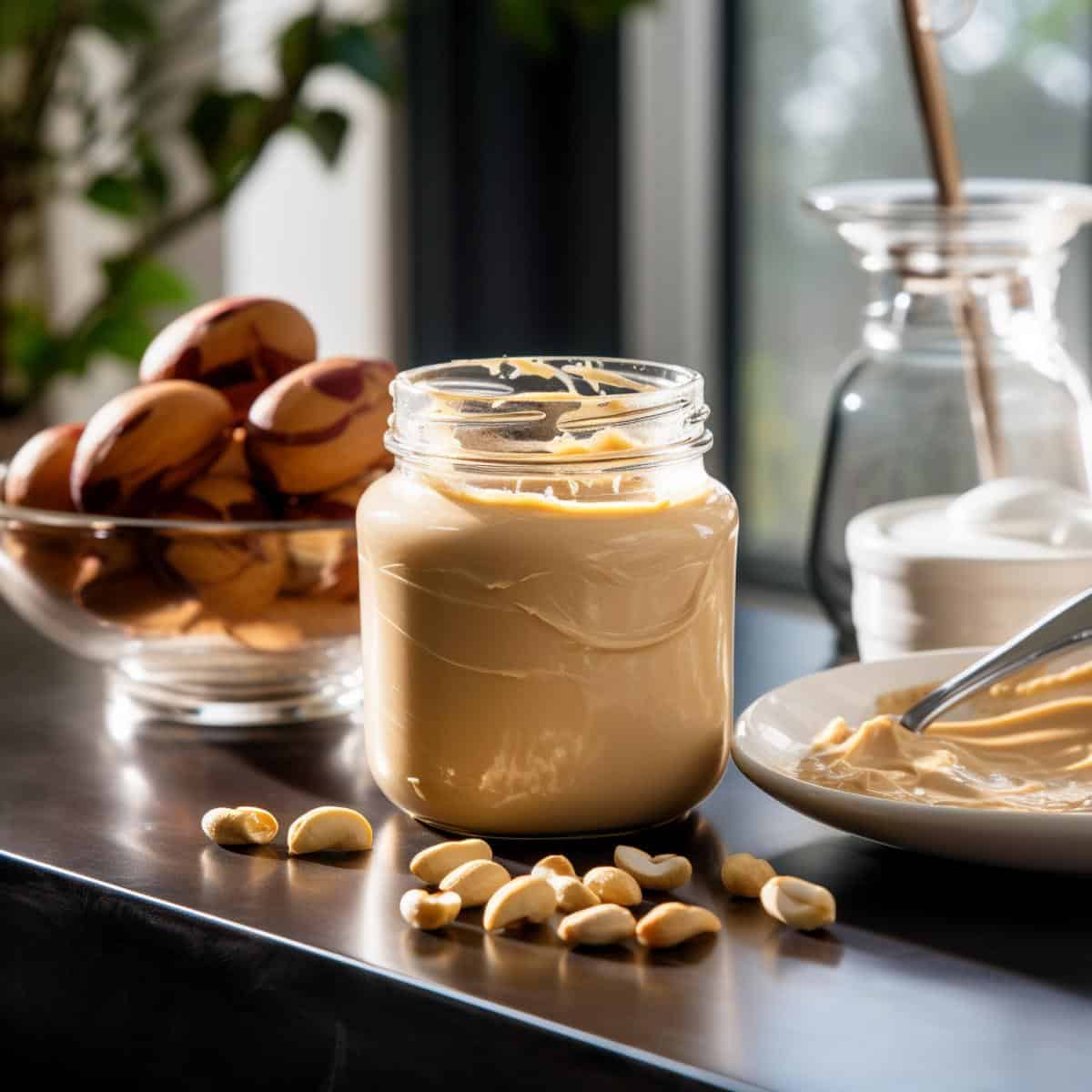
If you're just starting out on a keto diet, we bet you've asked yourself the question, "Is peanut butter keto?" right? Well, we have all the nitty-gritty details for you, along with our favorite tips and tricks. Read on to learn all about everyone's favorite snack, peanut butter.
TL;DR
Is Peanut Butter Keto-Friendly?
Yes, a small amount of peanut butter can be keto-friendly. When choosing peanut butter for your low-carb diet, you'll want to make sure that it is free from added sugars.
Our best tip is to purchase peanut butter, which has just two ingredients: peanuts and salt.
We like to steer clear of peanut butter with added oils as well. Peanuts are naturally high in healthy fat, so they really don't need added oils to make them creamy. Too often, those oils are toxic vegetable oils or hydrogenated oils. It's not what you want on a clean ketogenic diet when looking for weight loss.
Can you have Peanut Butter on a strict keto diet?
As we've mentioned, the high net carb content of peanut butter can be a hurdle. With 15.23 grams of net carbs per 100 grams, it can quickly consume your daily carb allotment if you're adhering to the typically recommended daily intake of 20-50 grams of carbs for a keto diet.
However, this doesn't necessarily mean that peanut butter must be entirely off the table. It simply means that if you choose to include peanut butter, you'll need to be extra mindful of your overall carb intake for the day. This could entail consuming smaller portions of peanut butter or adjusting your other meals to accommodate this food item.
One practical strategy could be to employ a food tracking tool or app. This can help you monitor your daily carb intake accurately. These tools typically allow you to log the foods you eat throughout the day and keep track of your macronutrient distribution. By doing so, you can ensure you are not exceeding your daily carb limit, helping you maintain your state of ketosis.
Carbs in Peanut Butter
On average, a 100-gram serving of peanut butter contains about 15.23 grams of net carbohydrates.
Suppose you indulge in two tablespoons of peanut butter, a typical serving size. This equates to roughly 32 grams of peanut butter. Given the net carb content we discussed earlier, those two tablespoons would contain approximately 4.88 grams of net carbs.
While that might not seem like much, remember that a strict ketogenic diet typically limits daily net carb intake to between 20 and 50 grams. If you're aiming for the lower end of that scale, those nearly 5 grams of carbs from a small serving of peanut butter account for a significant portion of your daily carb allowance.
Peanut Butter Nutrition Facts
Peanut butter presents an interesting blend of macro and micronutrients that contribute to its nutritional value. For a 100g sample, it is significantly high in fats, with total fats accounting for 49.9g. The majority of these fats are monounsaturated (23.58g), which are known to be heart-healthy.
- It also contains 24g of protein, making it a substantial source of this essential macronutrient. In terms of carbohydrates, peanut butter contains both net carbs (15.23g) and dietary fiber (6.6g), which can aid in digestive health.
- Peanut butter is not just rich in macros but also in various micronutrients. It boasts of a noteworthy amount of Magnesium (159.0mg) and Potassium (747.0mg), both essential minerals for various bodily functions including heart and muscle function, and nerve signaling respectively.
- There's also a significant presence of Niacin (13.69mg), a form of Vitamin B3 known for supporting the nervous system, improving skin health, and aiding in energy production. Other Vitamins like B-6, E, and K1 are also present along with minerals like Calcium, Iron, and Zinc, albeit in smaller quantities.
- Moreover, it includes more unique elements like Selenium, a powerful antioxidant, and Folate, essential for DNA synthesis and repair.
Lastly, while Peanut Butter has a high caloric count (590.0kcal), it's important to consider these nutrients in the context of a balanced diet.
| Nutrient Name | Amount and Unit per 100g |
|---|---|
| Net Carbs | 15.23g |
| Carbohydrate, by difference | 21.83g |
| Fiber, total dietary | 6.6g |
| Total fats | 49.9g |
| Protein | 24.0g |
| Sodium, Na | 203.0mg |
| Potassium, K | 747.0mg |
| Magnesium, Mg | 159.0mg |
| Calcium, Ca | 41.0mg |
| Vitamin B-6 | 0.45mg |
| Vitamin E (alpha-tocopherol) | 9.05mg |
| Vitamin K1 | 0.6ug |
| Copper, Cu | 0.52mg |
| Iron, Fe | 1.9mg |
| Phosphorus, P | 317.0mg |
| Selenium, Se | 7.5ug |
| Zinc, Zn | 2.78mg |
| Thiamin | 0.12mg |
| Riboflavin | 0.11mg |
| Niacin | 13.69mg |
| Folate, total | 92.0ug |
| Choline, total | 63.5mg |
| Calories | 590.0kcal |
| Water | 1.1g |
| Fatty acids, total saturated | 7.72g |
| Fatty acids, total monounsaturated | 23.58g |
| Fatty acids, total polyunsaturated | 14.36g |
'Peanut Butter' was not found in FoodData Central, so nutritional data for 'Peanut butter, reduced sodium ' was used instead under Cast Iron Keto's editorial and research standards.
Health Implications of Peanut Butter on a Keto Diet
While its carb content may not make it the best fit for a strict keto diet, peanut butter does possess other nutritional properties that contribute to overall health and wellness.
- For starters, peanut butter is a good source of protein, with about 25 grams in a 100 grams serving. Protein is an essential nutrient for bodily functions, including repair and maintenance of the body's tissues, and it plays a crucial role in satiety, which can be beneficial on any dietary plan.
- Additionally, peanut butter is rich in healthy fats, both saturated and unsaturated. These fats not only provide energy but also assist in the absorption of vitamins and the production of hormones.
- Peanut butter also contains various vitamins and minerals, including Vitamin E, a powerful antioxidant, and magnesium, which plays a key role in many bodily functions such as nerve function and muscle regulation.
What is the Best Way to Have Peanut Butter on Keto?
The best way to have peanut butter on keto is in moderation! Here are some of our top suggestions!
- Spread peanut butter on low-carb pancakes or celery sticks for a tasty snack. Celery and peanut butter is a keto snack, and it's one of the most popular go to snacks for keto lovers!
- Combine peanut butter and low-carb fruit, like berries, to make a tasty and healthy keto dessert.
- Try making your own copycat Reese's peanut butter cups with sugar-free chocolate and peanut butter.
- For a creamy dessert option, whip up a batch of homemade peanut butter ice cream using coconut milk or heavy cream.
Keto-Compatible Alternatives for Peanut Butter
When selecting nut or seed butter for a keto diet, opt for natural varieties without added sugars or fillers. Always check the nutrition labels to ensure they fit into your carb and calorie goals. You can enjoy these alternatives in moderation to maintain ketosis and savor their diverse tastes and nutritional benefits.
While peanut butter is a popular choice, there are several other delicious and keto-friendly nut and seed butter alternatives to consider:
- Almond butter: Almond butter is a fantastic peanut butter substitute for the keto diet. It has a similar creamy texture and offers a rich source of healthy fats, vitamins, and minerals.
- Sunflower seed butter: Made from roasted sunflower seeds, this nut-free butter is an excellent option for those with nut allergies. It provides many healthy fats and can be used in various recipes.
- Macadamia nut butter: Macadamia nuts have one of the highest fat contents among nuts, making their butter a perfect choice for the keto diet. It has a rich, buttery flavor that works well in both sweet and savory dishes.
- Pecan butter: Pecans are another nut with high-fat content, and their butter can be used as a keto-friendly spread or in keto-friendly baking recipes.
- Cashew butter: While cashews are slightly higher in carbohydrates than some other nuts, cashew butter can still be enjoyed in moderation on a keto diet due to its creamy texture and flavor.
- Coconut butter: Made from pureed coconut meat, coconut butter is a unique and versatile alternative. It's an excellent source of healthy fats and can be used in sweet and savory dishes.
- Sesame tahini: Tahini is a paste made from sesame seeds, offering a distinct nutty flavor. It's a good source of healthy fats and can be used in dressings, sauces, and dips.
- Hazelnut butter: Hazelnuts provide a delightful flavor, especially when roasted and turned into creamy butter. Enjoy it as a keto-friendly spread, or use it in keto baking.
Concluding Thoughts on Peanut Butter and Keto
Peanut butter can be a keto-friendly addition to your diet when consumed mindfully and in moderation. With its relatively low carbohydrate content, high healthy fat content, and moderate protein levels, peanut butter aligns well with the macronutrient ratios of the ketogenic diet.
While peanut butter can be a valuable addition to a keto diet, individual responses to certain foods may vary. It's essential to track your macronutrient intake, monitor your carbs per day, and adjust your diet as needed to achieve and maintain ketosis while incorporating peanut butter into your meals and snacks.
Explore our Is It Keto Knowledge Hub. |
|---|
| Are Drupes Keto Friendly |
| Is Latik Keto-Friendly |
| Is Maple Butter Keto-Friendly |
| Are Spreads Keto Friendly |
Cast Iron Keto's Editorial and Research Standards
Certain rare or exotic food items may not have nutritional profiles in the FoodData Central database. If an exact match is not found in the FoodData Central database, then, the Cast Iron Keto team utilizes a three-prong approach to provide readers with the closest relevant nutritional data, where possible.
First, in the event that nutritional profiles for a rare or exotic food item is not available in the FoodData Central database, we investigate alternative names for that particular food item and use that data, when possible. Second, in cases where no alternate names exist, Cast Iron Keto will use nutritional data for a close relative or similar food item. Finally, if no close relatives or similar items exist, we refrain from publishing nutrient data tables.
When making dietary or health decisions based on FoodData Central's data, we suggest readers consult with a nutritionist or other health experts, particularly if the food in question has a significant role in your diet or if you are using the food item to treat any health disorder(s).
Furthermore, it is important to note that even if a close relative or similar item is used to approximate the nutritional data, different food items can have varying levels of nutrients due to factors such as soil quality, farming practices, and regional differences.
Disclaimer:
The information on this website is only intended to be general summary information for public use, designed for educational purposes only and is not engaged in rendering medical advice or professional services. This information does not replace written law or regulations, nor does it replace professional medical advice, diagnosis, or treatment. If you have questions about a medical condition or are seeking to evaluate the health merits of certain food items for the treatment of any medical condition, you should seek the advice of a doctor or other qualified health professionals.
The views expressed at, or through, Cast Iron Keto are for informational purposes only. Cast Iron Keto cannot guarantee the validity of the information found here. While we use reasonable efforts to include accurate and up-to-date information, we make no warranties as to the accuracy of the content and assume no liability or responsibility for any errors or omissions in the content. All liability with respect to actions taken or not taken based on the contents of this website are hereby expressly disclaimed. The content on this posting is provided "as is;" no representations are made that the content is error-free.